
Catalogue of Technologies to Combat Desertification: Tools, Case Studies, and Insights for Dryland Regions
 |
Hari Srinivas |
| Policy Analysis Series C-117 |

|
Abstract: Desertification poses a growing threat to ecosystems, livelihoods, and sustainable development, particularly in arid and semi-arid regions. Addressing this challenge requires a diverse set of technologies and approaches that span water management, soil restoration, ecosystem regeneration, erosion control, digital monitoring, emerging innovations, and governance mechanisms. This catalogue brings together a structured overview of these technologies, supported by case studies and a comparative framework that highlights their cost, scale, impact, and best-use contexts. By integrating traditional knowledge with modern technological solutions, the document provides a practical resource for policymakers, practitioners, and researchers. It aims to support informed decision-making and the design of context-specific, integrated strategies to combat desertification and promote sustainable land management. |
|
Keywords: Desertification, Sustainable Land Management, Water Management, Soil Restoration, Ecosystem Restoration, Climate Adaptation, Land Degradation, Environmental Policy |
|
Combating desertification requires practical, adaptable solutions. This catalogue brings together technologies that support soil conservation, water management, re-vegetation, and sustainable land use in dryland areas.
It focuses on approaches that have been tested in the field and can be applied across different contexts to restore degraded land and strengthen local resilience. |
Introduction
D
esertification is one of the most pressing environmental challenges of our time, affecting land productivity, water availability, biodiversity, and livelihoods across arid and semi-arid regions. Driven by a combination of climatic variability and human activities, it poses significant risks to food security, economic stability, and sustainable development.A wide range of technologies and approaches exist to address desertification, spanning traditional knowledge systems, ecological restoration practices, modern engineering solutions, and digital innovations. However, these options are often scattered across disciplines and sectors, making it difficult for policymakers and practitioners to identify appropriate interventions.
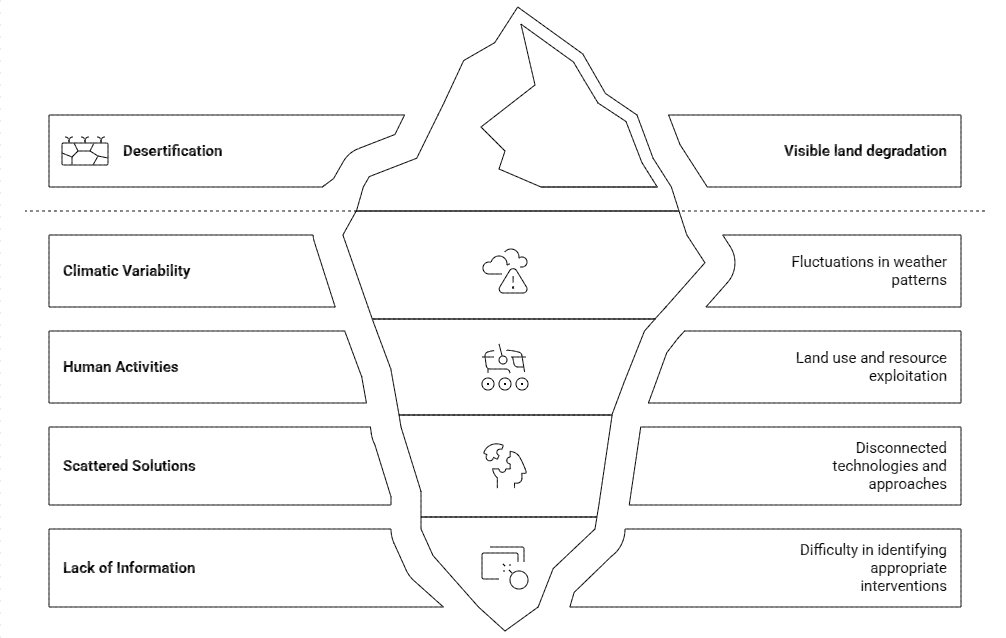
Figure 1: Desertification: The Hiden issues
This catalogue brings together a diverse set of technologies and techniques to combat desertification, organized into key thematic areas such as water management, soil restoration, ecosystem regeneration, erosion control, digital monitoring, emerging innovations, and governance approaches. By combining concise explanations, real-world case studies, and a comparative framework, the catalogue aims to support informed decision-making and facilitate the selection of context-appropriate solutions.
1. Water Management Technologies
Water scarcity is one of the primary drivers of desertification, making effective water management essential for sustaining ecosystems, agriculture, and livelihoods in dryland regions. The technologies in this category focus on capturing, storing, conserving, and efficiently using available water resources. By improving water availability and reducing losses from evaporation and runoff, these approaches help maintain vegetation cover, enhance soil moisture, and build resilience to drought.-
Rainwater Harvesting Systems
Capture and store rainfall using tanks, ponds, or contour structures to improve water availability in dry periods. These systems also reduce runoff and enhance groundwater recharge at the local level.
Sand Dams
Small dams built across seasonal rivers trap sand and store water within it for gradual release. They provide reliable, low-evaporation water storage in arid and semi-arid environments.
Drip Irrigation
Delivers water directly to plant roots through a network of pipes and emitters. This significantly reduces water loss from evaporation and improves irrigation efficiency.
Subsurface Irrigation
Applies water below the soil surface to minimize evaporation and target root zones. It is especially effective in hot, dry climates where surface water loss is high.
Fog Harvesting Nets
Mesh structures capture moisture from fog and convert it into usable water. This is particularly useful in coastal and mountainous arid regions with frequent fog.
Contour Bunding
Earthen embankments built along land contours slow water runoff and increase infiltration. They help retain soil moisture and reduce erosion simultaneously.
Dew Collection Trays:
Passive surfaces designed to condense atmospheric moisture overnight, providing small-scale irrigation for seedlings in extreme deserts.
Wicking Beds:
Raised garden beds with a built-in reservoir at the base, allowing water to "wick" up to the root zone via capillary action.
 Alwar, Rajasthan, India
 Kitui County, Kenya
2. Soil Restoration and Conservation
Healthy soils form the foundation of productive landscapes, yet they are often the first casualty of desertification. Soil restoration technologies aim to rebuild fertility, improve soil structure, increase organic matter, and enhance the soil's capacity to retain water and nutrients. These approaches help reverse land degradation, restore agricultural productivity, and create conditions that support long-term ecosystem recovery.-
Zai Pits (Planting Pits)
Small pits filled with organic matter concentrate water and nutrients around crops. They are highly effective in rehabilitating degraded and crusted soils.
Biochar Application
Charred organic material added to soil improves structure, fertility, and moisture retention. It also contributes to long-term carbon sequestration.
Mulching
Covering soil with organic or synthetic materials reduces evaporation and regulates soil temperature. It also suppresses weeds and improves soil health over time.
Conservation Agriculture
Practices such as minimal tillage, crop rotation, and residue retention maintain soil structure. These methods enhance soil moisture and reduce degradation risks.
Composting and Organic Amendments
Application of compost improves soil fertility and microbial activity. It enhances water retention and restores degraded soils over time.
Green Manuring
Growing and incorporating specific crops into the soil improves organic matter content. This boosts soil fertility and structure naturally.
Mycorrhizal Inoculation:
Adding beneficial fungi to the soil to enhance nutrient uptake and improve soil structure through a symbiotic relationship with plant roots.
Strip Cropping:
Growing different crops in alternating strips to prevent soil erosion by wind and water while improving biodiversity and nutrient cycling.
 Yatenga Province, Burkina Faso
3. Vegetation and Ecosystem Restoration
Vegetation plays a critical role in stabilizing soils, regulating water cycles, supporting biodiversity, and creating favorable microclimates. The technologies and practices in this category focus on restoring plant cover and regenerating degraded ecosystems through natural and assisted methods. By rebuilding ecological functions, they help transform vulnerable landscapes into more resilient and productive environments-
Agroforestry Systems
Integrate trees with crops and livestock to improve biodiversity and resilience. These systems enhance soil fertility while providing additional income sources.
Afforestation and Reforestation
Large-scale planting of trees restores degraded landscapes and improves microclimates. It also contributes to carbon sequestration and biodiversity conservation.
Farmer-Managed Natural Regeneration (FMNR)
Protects and regenerates naturally occurring tree stumps and root systems. This low-cost approach enables rapid landscape restoration without extensive planting.
Grassland Restoration
Reseeding native grasses and managing grazing pressure restores vegetation cover. It improves soil stability and supports pastoral livelihoods.
Silvopasture Systems
Combine trees with livestock grazing to enhance productivity and ecological balance. These systems improve soil health and reduce land degradation.
Assisted Natural Regeneration (ANR)
Supports natural vegetation recovery by protecting young plants and reducing disturbances. It is a cost-effective alternative to active planting.
Hydroseeding:
A planting process that uses a slurry of seed, mulch, and fertilizers sprayed onto land to quickly establish vegetation on steep or degraded slopes.
Seed Bombing (Aerial Seeding):
Dropping seeds wrapped in a mixture of clay and organic matter from drones or planes to re-vegetate inaccessible or large-scale degraded areas.
 Niger
Niger
 Sahel Region, Africa
4. Erosion Control Technologies
Wind and water erosion are major mechanisms through which fertile soils are lost and desertification spreads. Erosion control technologies are designed to slow runoff, reduce wind velocity, trap sediments, and stabilize vulnerable landscapes. These interventions protect valuable topsoil, improve water infiltration, and prevent further degradation of agricultural and natural lands.-
Stone Bunds
Lines of stones placed along contours slow water flow and trap sediment. They are highly effective in reducing soil erosion and improving water infiltration.
Check Dams
Small barriers built across gullies reduce water velocity and capture sediment. They help stabilize landscapes and recharge groundwater.
Dune Stabilization Techniques
Use of vegetation, fencing, or barriers to fix shifting sand dunes. These methods prevent desert expansion and protect infrastructure and farmland.
Geotextiles and Erosion Control Mats
Biodegradable or synthetic sheets stabilize soil surfaces during vegetation establishment. They are useful in highly erosion-prone areas.
Terracing
Reshaping slopes into stepped levels reduces runoff and soil erosion. It also enhances water retention for agriculture.
Windbreaks and Shelterbelts
Rows of trees or shrubs reduce wind speed and protect soil from erosion. They also create favorable microclimates for crops.
Gabion Walls:
Wire cages filled with rocks placed in gully heads or along banks to slow high-velocity water and prevent further soil washouts.
Living Snow Fences/Windbreaks:
Using specific densities of perennial shrubs and trees to trap blowing sand or snow, protecting vital infrastructure and topsoil.
 Ningxia, China
5. Digital and Monitoring Technologies
Effective action against desertification depends on timely information and informed decision-making. Digital and monitoring technologies provide data on land conditions, vegetation health, soil moisture, climate risks, and degradation trends. By improving observation, forecasting, and analysis, these tools enable governments, communities, and practitioners to target interventions more effectively and monitor their long-term impacts.
- Remote Sensing and Satellite Monitoring
Use satellite imagery to track vegetation cover, soil moisture, and land degradation. This enables large-scale monitoring and informed decision-making.
Geographic Information Systems (GIS)
Analyze spatial data to plan and manage land restoration efforts. GIS supports targeting interventions and evaluating their effectiveness.
IoT Soil Sensors
Provide real-time data on soil moisture, temperature, and nutrients. This helps optimize irrigation and land management practices.
Early Warning Systems
Use climate and environmental data to predict droughts and degradation risks. They enable proactive responses to prevent crises.
(Reference: Famine Early Warning Systems Network)
Mobile Advisory Services
Deliver weather forecasts and farming advice via mobile platforms. These tools improve farmer decision-making and resilience.
Blockchain for Land Credits:
Using decentralized ledgers to track and verify carbon sequestration or restoration efforts, ensuring transparent payments to local farmers.
Hyperspectral Imaging:
Advanced drone or satellite imagery that detects subtle changes in plant health and mineral composition before they are visible to the human eye.
AI-Based Land Degradation Models
Use machine learning to predict and map desertification trends. These tools support long-term planning and policy development.
 Global
6. Innovative and Emerging Technologies
Rapid advances in science and engineering are creating new opportunities to address land degradation and water scarcity. The technologies in this category represent emerging solutions that complement traditional approaches, ranging from advanced materials and biotechnology to renewable energy and precision agriculture. While many are still evolving, they offer promising pathways for enhancing the effectiveness, scalability, and sustainability of desertification responses.-
Hydrogel Soil Additives
Water-absorbing polymers retain moisture and release it slowly to plants. They are useful in reducing irrigation frequency in dry regions.
Solar-Powered Desalination
Uses renewable energy to convert seawater into freshwater. This expands water availability in arid coastal regions.
Microbial Soil Enhancement
Introduces beneficial microbes to improve soil fertility and structure. It enhances nutrient cycling and plant resilience.
Precision Agriculture Technologies
Use sensors, drones, and data analytics to optimize resource use. These technologies improve efficiency and reduce environmental stress.
Vertical and Controlled Environment Agriculture
Produce food in controlled indoor systems, reducing pressure on degraded land. These systems are resource-efficient but capital-intensive.
Atmospheric Water Generation
Extracts water directly from air humidity using advanced technologies. It offers an alternative water source in extremely dry environments.
Liquid Nano-Clay (LNC):
A specialized coating that wraps around individual sand particles, allowing them to hold water and nutrients like high-quality fertile soil.
3D-Printed Soil Scaffolds:
Using biodegradable materials to print structures that stabilize soil and provide a protected environment for seeds to germinate in shifting dunes.
 Al Khafji, Saudi Arabia
7. Governance and Community-Based Approaches (Tech-Enabled)
Technology alone cannot combat desertification without supportive institutions, policies, and community engagement. This category highlights approaches that use technology to strengthen participation, coordination, knowledge sharing, and resource management. By empowering local communities and improving governance systems, these approaches help ensure that restoration efforts are inclusive, sustainable, and capable of delivering long-term results.-
Participatory Land Management Platforms
Digital tools enable communities to map and manage land resources collaboratively. They strengthen local ownership and accountability.
Participatory Watershed Management
Community-led planning integrates soil and water conservation measures. It delivers long-term ecological and livelihood benefits.
Mobile-Based Extension Services
Provide real-time agricultural advice through SMS or apps. These services bridge knowledge gaps in remote areas.
Payment for Ecosystem Services (PES)
Financial incentives encourage land users to adopt sustainable practices. Digital platforms improve transparency and scalability.
Land Tenure Mapping Technologies
Use GIS and digital tools to clarify land ownership and rights. Secure tenure encourages long-term investment in land restoration.
Crowdsourced Environmental Monitoring
Communities contribute local data using mobile tools. This enhances monitoring coverage and supports inclusive governance.
Digital Land Registry:
Blockchain or cloud-based systems that provide farmers with indisputable proof of land ownership, encouraging long-term restoration investments.
Community Seed Banks:
Localized repositories that preserve indigenous, drought-resistant seeds, ensuring community autonomy and genetic diversity during climate crises.
 Ethiopia
Comparative Table: Desertification Technologies
Addressing desertification requires selecting the right mix of technologies suited to specific ecological and socio-economic conditions. The table below compares a range of interventions based on their cost, scalability, impact, and applicability across different environments. It is designed as a practical tool to support policy formulation, planning, and prioritization.Note: Cost, scale, and impact are indicative and relative; "Best Use Context" highlights the environmental conditions where each technology is most effective.
| Technology / Technique | Cost Level | Scale | Impact | Best Use Context | Key Policy Insight |
|---|---|---|---|---|---|
| Dew Collection Trays | Low | Farm-level | Medium | Hyper-arid, high humidity nights | Passive water source for seedling survival |
| Wicking Beds | Medium | Local/Household | Medium | Arid, urban agriculture | Drastically reduces irrigation frequency |
| Mycorrhizal Inoculation | Low to Medium | Farm to landscape | High | Degraded soils, reforestation | Enhances plant survival in nutrient-poor soils |
| Strip Cropping | Low | Farm to regional | Medium to High | Semi-arid, windy plains | Natural barrier against wind and water erosion |
| Hydroseeding | Medium | Local to landscape | Medium | Slopes, infrastructure sites | Fast stabilization of erosion-prone areas |
| Seed Bombing (Aerial) | Medium to High | Landscape to national | High | Inaccessible terrain | Scalable solution for remote forest restoration |
| Gabion Walls | Medium | Local | High | Mountainous, gully-prone | Effective for flood control and soil retention |
| Living Snow/Sand Fences | Low to Medium | Regional | Medium to High | Arid, windy plains | Protects roads and farms from shifting sands |
| Blockchain Land Credits | Medium | National to global | High | All contexts | Ensures transparency in restoration financing |
| Hyperspectral Imaging | High | National | High | All contexts | Enables early detection of vegetation stress |
| Liquid Nano-Clay (LNC) | High | Farm to local | Very High | Desert sand, hyper-arid | Turns sand into farmable soil in hours |
| 3D-Printed Scaffolds | High | Local | Medium | Shifting dunes | High-tech stabilization for niche ecosystems |
| Digital Land Registry | Medium | National | High | All contexts | Secure tenure is the bedrock of land investment |
| Community Seed Banks | Low | Local to regional | High | Semi-arid | Protects biodiversity and climate resilience |
Quick Policy Takeaways
- Best low-cost, high-impact options: FMNR, stone bunds, rainwater harvesting
- Best for scaling nationally: Remote sensing, mobile advisory services, early warning systems
- Best long-term ecological solutions: Agroforestry, afforestation, watershed management
- High investment but strategic: Solar desalination, large-scale restoration programmes
Conclusion and Policy Implications
The catalogue highlights that there is no single solution to desertification; rather, effective responses require a combination of complementary technologies and approaches tailored to specific environmental and socio-economic contexts.
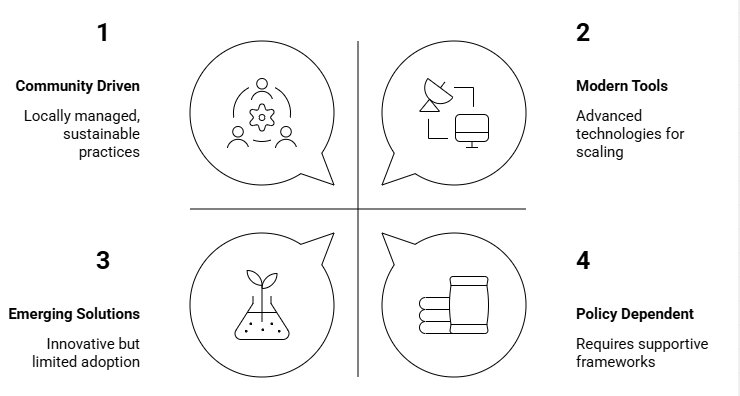
Figure 2: Stategic Technologies for Drylands
Low-cost, community-driven practices such as rainwater harvesting, FMNR, and participatory watershed management often deliver high and sustained impacts, particularly when supported by appropriate policies and institutional frameworks. At the same time, modern tools such as remote sensing, early warning systems, and precision agriculture play a critical role in scaling interventions, improving targeting, and enabling proactive responses. Emerging technologies further expand the range of options, especially in water-scarce and highly degraded environments, though their adoption may depend on cost and capacity considerations.
From a policy perspective, three key implications emerge. First, context matters: interventions must be aligned with local ecological conditions, as highlighted in the "Best Use Context" framework. Second, integration is essential: combining water, soil, vegetation, and governance approaches yields more durable outcomes than isolated interventions. Third, enabling environments are critical: supportive policies, secure land tenure, community participation, and access to knowledge and finance are necessary to scale and sustain these solutions.
Overall, this catalogue serves not only as a reference of available technologies, but also as a practical tool for designing integrated, context-sensitive strategies to combat desertification and promote sustainable land management.
|
CITATION TEXT:
|

 |
Return to Technology Management Comments and suggestions to - [email protected] |