
Urban Rewilding
Rewilding: Restoring Nature to Strengthen Urban Resilience
Hari Srinivas One-Pager Series C-125
Abstract:
This extended introductory note on urban rewilding provides a comprehensive overview of the concept, its dimensions, and its practical applications in cities. It defines urban rewilding as the process of reintroducing natural elements and ecological processes into built environments to restore balance, enhance biodiversity, and improve human well-being. The document explains how rewilding transforms underused or degraded urban spaces into functioning ecosystems through actions such as planting native species, creating wildlife corridors, and adopting sustainable landscape design.It highlights key benefits including biodiversity conservation, ecosystem services such as air and water purification, climate resilience through heat and flood mitigation, and improved quality of life via enhanced mental and physical health. The note also emphasizes the importance of governance, collaboration, and context-specific strategies, illustrating how partnerships among planners, communities, and institutions are essential for success. Overall, it positions urban rewilding as a flexible, scalable, and integrative approach to building resilient, livable, and sustainable cities.
Keywords:
urban rewilding, biodiversity conservation, ecosystem services, climate resilience, green infrastructure, community well-being, ecological restoration, urban governance
Introduction
Cities are increasingly challenged by climate change, biodiversity loss, heat stress, flooding, and declining environmental quality. Traditional approaches to urban development often prioritize built infrastructure at the expense of natural ecosystems, reducing the ability of cities to adapt to environmental change. Urban rewilding offers an alternative approach by restoring natural habitats and ecological processes within urban areas, allowing nature to play a more active role in shaping and sustaining urban environments.Urban rewilding is a nature-based solution that seeks to reconnect cities with natural systems through interventions such as wetland restoration, urban forests, green corridors, pollinator habitats, and other forms of ecological regeneration. Unlike conventional landscaping, rewilding emphasizes ecological functioning, habitat connectivity, native species, and reduced human intervention.
From Rewilding to Resilience
Urban rewilding initiatives contribute to ecosystem restoration by rebuilding habitats, improving ecological connectivity, and supporting the recovery of native species. Ecosystem restoration is further strengthened by maintaining natural landscape continuity and allowing ecological processes to operate with minimal human intervention.As ecosystems recover, cities benefit from increased biodiversity and enhanced ecosystem services. Biodiversity recovery helps create healthier and more balanced urban ecosystems, while ecosystem services such as temperature regulation, stormwater management, carbon sequestration, air purification, and recreational opportunities contribute directly to human well-being.
Together, these outcomes strengthen urban resilience by improving the capacity of cities to withstand, adapt to, and recover from environmental, social, and economic stresses. Rewilded urban landscapes can reduce vulnerability to climate-related risks while creating healthier, more liveable, and environmentally sustainable communities.
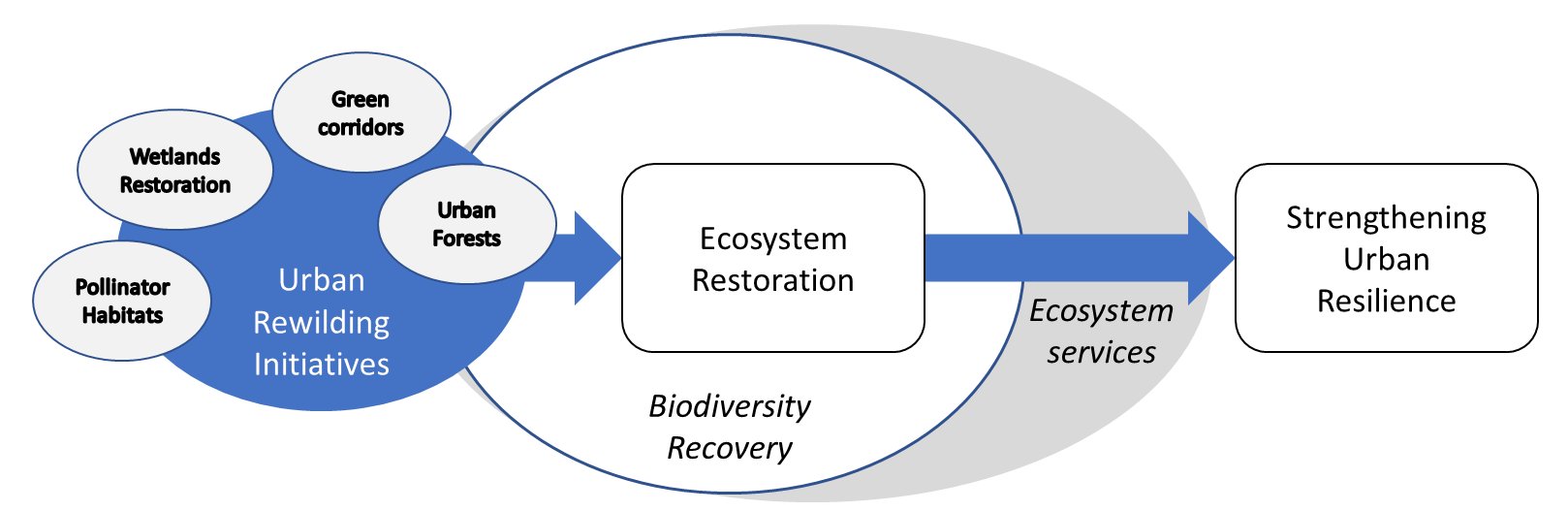
Figure 1: Rewilding and Urban BiodiversityUrban rewilding represents a form of
nature-based solution that contributes to
urban biodiversity
and strengthening urban resilienceKey Messages
1. Urban rewilding restores ecological processes and habitats within cities
Urban rewilding seeks to reintroduce natural processes into urban environments by creating conditions that allow ecosystems to function more independently. Through initiatives such as wetland restoration, urban forests, green corridors, and pollinator habitats, cities can provide space for native species and ecological interactions to flourish. These interventions help reverse habitat fragmentation and support the return of nature to urban landscapes. 2. Rewilding initiatives support ecosystem restoration through enhanced habitat quality and connectivity
Ecosystem restoration involves rebuilding the structure and functioning of degraded natural systems. Urban rewilding contributes to this process by improving habitat quality, reconnecting fragmented green spaces, and strengthening ecological networks across the city. Greater landscape continuity allows plants and wildlife to move more freely, increasing the health, stability, and resilience of urban ecosystems. 3. Restored ecosystems contribute to biodiversity recovery and the provision of ecosystem services
As ecosystems recover, they provide suitable conditions for a wider range of plant and animal species. Increased biodiversity strengthens ecological balance and supports essential ecosystem functions. At the same time, restored ecosystems generate valuable ecosystem services, including air and water purification, carbon storage, stormwater regulation, soil protection, and recreational opportunities for residents. 4. Ecosystem services improve environmental quality, human well-being, and climate adaptation capacity
Healthy ecosystems provide benefits that directly support urban communities. Green and blue spaces can reduce urban heat island effects, improve air quality, manage flood risks, and create opportunities for recreation and contact with nature. These services contribute to public health and quality of life while helping cities adapt to the growing impacts of climate change and environmental stress. 5. Urban rewilding is a practical nature-based solution for strengthening urban resilience
By enhancing biodiversity, restoring ecosystems, and increasing ecosystem services, urban rewilding strengthens the ability of cities to cope with environmental, social, and economic challenges. Rewilded landscapes can help cities absorb shocks, adapt to changing conditions, and recover more effectively from disturbances. As a result, urban rewilding is increasingly recognised as an important strategy for building resilient and sustainable urban futures. Conclusion
Urban rewilding represents a shift from managing nature in cities to working with nature as a partner in urban development. By restoring ecosystems, enhancing biodiversity, and expanding ecosystem services, rewilding helps create cities that are more resilient, adaptive, and sustainable.As urban areas continue to grow and face increasing environmental pressures, urban rewilding offers a pathway towards healthier ecosystems and more resilient communities.
This work by GDRC is licensed under a Creative Commons Attribution-ShareAlike 4.0 International License. You are free to share and adapt this piece of work for your own purposes, as long as it is appropriately citied. . More info: http://creativecommons.org/licenses/by-sa/4.0/
on


 |
Return to Urban Rewilding Contact: |