The "Blue, Green, Brown, and Gray" Agendas:
A Comprehensive Framework for Sustainable and Resilient Cities
 |
Hari Srinivas |
| Concept Note Series C-122 |
|
Abstract: Cities are increasingly at the center of global sustainability challenges and opportunities. As urban populations grow and demands on natural and built systems intensify, integrated approaches to urban environmental management have become essential. This paper presents the Four Agendas Framework, comprising the Blue, Green, Brown, and Gray Agendas, as a practical lens for understanding and addressing the interconnected dimensions of urban sustainability. The Blue Agenda focuses on water resources and aquatic systems, the Green Agenda on ecosystems and biodiversity, the Brown Agenda on environmental quality and public health, and the Gray Agenda on the built environment and urban infrastructure. Together, these four agendas provide a holistic framework for planning, managing, and evaluating sustainable cities. By highlighting the interrelationships among water, nature, environmental quality, and infrastructure, the framework offers a systems-based approach that can support policy development, urban planning, and implementation of the Sustainable Development Goals at the local level. |
|
Keywords: Urban Environmental Management, Sustainable Cities, Blue Agenda, Green Agenda, Brown Agenda, Gray Agenda, Urban Sustainability, Sustainable Development Goals |
1. Introduction and Contextual Framework
As global urbanization accelerates, cities increasingly find themselves at the center of complex sustainability crises. Modern urban centers consume over 75% of the world's natural resources and generate more than 70% of global greenhouse gas emissions, despite occupying less than 3% of the Earth's land surface. Managing the environmental footprint of these high-density spaces requires a shift away from isolated, sector-specific strategies toward holistic, cross-disciplinary frameworks.
At the same time, cities are centers of innovation, opportunity, culture, and human development. The challenges of climate change, water security, environmental degradation, public health, infrastructure, and social equity are increasingly concentrated in urban areas, making cities critical arenas for action.
How cities are planned, managed, and developed today will play a decisive role in shaping a sustainable, resilient, and inclusive future for all. Managing the environmental footprint of these high-density spaces also requires a shift away from isolated, sector-specific strategies toward holistic, cross-disciplinary frameworks.
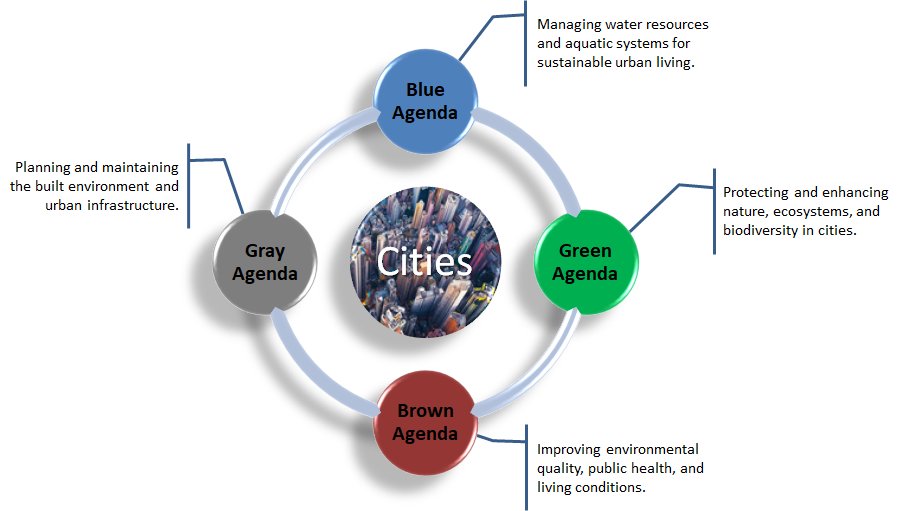
Figure 1: The Four Agendas of Urban Environments
There is a clear need for an integrated conceptual approach that helps us understand the bigger picture. By categorizing the complex variables of urban sustainability into four distinct yet highly interrelated dimensions - the Blue, Green, Brown, and Gray agendas - this framework provides city planners, policymakers, and environmental scientists with a rigorous roadmap to organize interventions, evaluate socio-ecological trade-offs, and design resilient urban ecosystems.
2. Deep-Dive into the Four Agendas
The Blue Agenda concerns itself entirely with the lifecycle, quality, and management of water resources within and surrounding urban centers. Water acts as both an essential life-support input and a primary vulnerability vector for cities.
Focuses on the sustainable management of water resources in cities. This includes access to safe drinking water, wastewater treatment, stormwater management, and the protection of rivers, lakes, and coastal ecosystems. The blue agenda emphasizes both resource efficiency and the health of aquatic systems that support urban life.
Sustainable urban water management demands that municipal water systems achieve structural equilibrium between supply conservation and wastewater processing.
Core Components:
- Potable Water Provisioning: Ensuring universal, reliable access to safe drinking water through advanced filtration, distribution networks, and regional watershed protection.
- Wastewater and Sanitation Infrastructure: Treating municipal and industrial effluents to prevent toxic discharges into regional ecosystems, promoting closed-loop water reclamation.
- Stormwater and Runoff Management: Mitigating urban flood risks using sustainable urban drainage systems (SUDs) and floodplains to absorb high-volume precipitation events.
- Aquatic Ecosystem Preservation: Safeguarding adjacent rivers, lakes, wetlands, and marine coasts from nutrient loading, microplastics, and thermal pollution.
Significance: The Blue Agenda guarantees water security and minimizes hydrological vulnerabilities, shifting urban design toward the "Sponge City" archetype where the built landscape behaves in harmony with natural water dynamics.
The Green Agenda targets the ecological core of the city, focusing on the preservation and restoration of natural landscapes and biodiversity in urban spaces.
Concerns the protection and enhancement of natural systems within and around cities. Urban forests, parks, biodiversity, and green spaces contribute to ecological balance, climate regulation, and human well-being. The green agenda highlights the role of nature in making cities more resilient, healthy, and livable.
Historically, urbanization meant the complete eradication of native ecosystems; the Green Agenda reframes nature not as a luxury or ornament, but as vital infrastructure providing irreplaceable ecosystem services to cities and urban areas.
Core Components:
- Urban Forestry and Canopy Cover: Planting and preserving native tree networks to sequester carbon, intercept rainfall, and actively mitigate the Urban Heat Island (UHI)Urban Heat Island (UHI): An urban heat island is a phenomenon in which cities and built-up areas become significantly warmer than surrounding rural areas because buildings, roads, and other infrastructure absorb, retain, and release heat while reducing natural cooling from vegetation. effect.
- Parks and Linear Green Corridors: Structuring contiguous green pathways that allow wildlife migration, preserve urban biodiversity, and give human populations spaces for recreation and physical well-being.
- Microclimate Regulation: Utilizing green roofs, vertical gardens, and grassed swales to regulate temperature, humidity, and local wind patterns naturally.
Significance: Beyond purely ecological metrics, the Green Agenda directly scales with human livability. Access to green spaces drastically improves public mental health, lowers ambient stress markers, and increases the long-term climatic adaptability of high-density city districts.
The Brown Agenda focuses on immediate, severe environmental risks that directly affect human physiological health, specifically targeting localized air, land, and chemical pollution.
Addresses the immediate environmental health risks faced by urban populations, particularly in low-income and densely populated areas. Issues include air and water pollution, solid waste management, sanitation, and exposure to hazardous substances. The brown agenda is closely linked to equity, as environmental burdens are often unevenly distributed.
It highlights the systemic and unequal distribution of environmental burdens, particularly that low-income populations and marginalized neighborhoods are disproportionately exposed to toxic and hazardous vectors.
Core Components:
- Air Quality and Ambient Emissions: Monitoring and mitigating PM2.5, PM10, nitrogen oxides (NOx), and sulfur dioxide (SO2) originating from vehicular combustion and industrial clusters.
- Solid and Hazardous Waste Management: Designing efficient collection, recycling, and safe containment systems to prevent open dumping and heavy metal leaching into the water table.
- Environmental Equity and Justice: Identifying and correcting spatial inequalities where toxic facilities, landfills, or industrial zones are preferentially sited near vulnerable socioeconomic demographics.
Significance: The Brown Agenda represents the human frontline of urban environmental management. Success in this category translates directly into reduced rates of respiratory disease, cardiovascular failures, developmental disorders, and municipal healthcare expenditures.
The Gray Agenda encompasses the engineered structures, networks, and technologies (collectively called "built environment") that form the physical backbone of the city.
Focuses on the planning, design, and management of urban infrastructure systems such as housing, transportation, energy, and industry. The gray agenda emphasizes efficiency, durability, and sustainability in the built environment, including the transition to low-carbon and resource-efficient urban systems.
While the other agendas focus heavily on natural, ambient, or toxic processes, the Gray Agenda targets the design parameters, efficiency metrics, and material flows of engineered human architecture.
Core Components:
- Sustainable Housing and High-Performance Buildings: Transitioning building stocks toward low-embodied-carbon materials, optimal thermodynamic insulation, and net-zero operational energy draw.
- Mass Transit and Low-Emission Mobility: Replacing private internal combustion vehicle dependency with dense, electric mass transit, rapid rail networks, and active micromobility pathways.
- Decentralized Renewable Clean Energy: Retrofitting municipal grids to seamlessly assimilate distributed solar, wind, and smart battery storage configurations.
- Circular Industrial Ecology: Redesigning manufacturing loops within cities to ensure industrial waste products become inputs for alternative production processes.
Significance: The Gray Agenda governs the efficiency and durability of the city. It dictates the long-term structural path dependency of carbon emissions, steering urban centers away from fossil-fuel reliance toward high-efficiency, resource-circular operations.
3. Structural Summary of the Four Agendas
The table below provides a structured overview comparing the core parameters, primary focal points, and typical indicators used to monitor the progress of each individual agenda.
| Agenda | Core Focal Dimension | Key Systems Managed | Success Metric Examples |
|---|---|---|---|
| Blue Agenda | Hydrological cycles and aquatic ecosystem vitality. | Water distribution, wastewater treatment facilities, storm water drainage channels, wetlands. | Biochemical Oxygen Demand (BOD), potable access ratios. |
| Green Agenda | Ecological preservation, urban nature, and biodiversity. | Urban forests, municipal parks, migratory wildlife corridors, green roofs. | Percentage of urban canopy cover, species richness index. |
| Brown Agenda | Environmental toxins, pollution containment, and environmental justice. | Air filtration monitoring, landfill infrastructure, hazardous material management systems. | PM2.5 microgram levels, heavy metal soil parts-per-million. |
| Gray Agenda | Engineered infrastructure, energy systems, and built environments. | Mass electrified transit networks, building codes, localized energy grids. | Per-capita operational carbon footprint, grid energy efficiency. |
4. Interconnectivity and Cross-Cutting Themes
The true power of the Four Agendas framework lies not in its divisions, but in its revelation of interdependencies. An attempt to isolate any single agenda invariably creates compounding failures in the others; conversely, an integrated solution designed for one agenda can unlock simultaneous benefits across multiple axes.
The Nexus of Systems
Consider how a Gray Agenda decision regarding transit infrastructure cascades through the framework: building a sprawling highway network expands gray footprints, but it also increases particulate emissions (Brown Agenda), divides and isolates forest corridors (Green Agenda), and coats nearby streams in petroleum-laden runoff during rains (Blue Agenda). Alternatively, investing in a Green Agenda asset like an integrated urban wetland network acts as a natural water filtration plant (Blue Agenda), lowers dangerous ambient dust concentrations (Brown Agenda), and reduces the cooling load required for nearby physical housing complexes (Gray Agenda).
| Issue | Blue Agenda | Green Agenda | Brown Agenda | Gray Agenda |
|---|---|---|---|---|
| Flooding | Stormwater management | Wetlands and natural buffers | Public health impacts | Drainage infrastructure |
| Urban Heat | Water bodies and cooling effects | Urban forests and green spaces | Heat exposure and health risks | Building and street design |
| Waste Management | Leachate and wastewater control | Resource recovery and composting | Solid waste collection and disposal | Treatment and collection facilities |
| Mobility | Water transport systems | Green corridors and active transport | Air pollution and health impacts | Roads, rail, and transit infrastructure |
Cross-Cutting Case Study: Food Security
Food security stands as a prime example of a challenge that completely spans all four agendas. It is a biological product reliant on water efficiency and clean nutrient inputs (Blue Agenda), requires rich local micro-climates and pollinator biodiversity to thrive (Green Agenda), is threatened by heavy-metal soil contaminants or atmospheric acid rain deposit trends (Brown Agenda), and relies entirely on high-speed distribution channels, processing facilities, and cold storage networks to reach consumers without rotting (Gray Agenda).
5. Conclusion and Strategic Implementation
|
Sustainable cities are created when water systems, natural systems, environmental quality, and the built environment are managed as interconnected parts of a single urban ecosystem.
|
Each agenda addresses a critical dimension of urban sustainability. The Blue Agenda focuses on securing water resources and protecting aquatic systems. The Green Agenda promotes ecosystem health, biodiversity, and climate resilience. The Brown Agenda addresses environmental health, pollution, waste, and quality of life. The Gray Agenda supports the planning, design, and management of the built environment and urban infrastructure. Together, they form a comprehensive framework for balancing ecological integrity, human well-being, and economic development.
Effective urban environmental management requires recognizing that progress in one agenda often depends on actions in the others. Green infrastructure can improve water management; sustainable transport systems can reduce pollution and improve public health; resilient infrastructure can support climate adaptation and ecosystem protection. The greatest benefits emerge when the four agendas are planned and implemented in an integrated manner.
Strategic implementation of the framework requires collaboration among governments, businesses, communities, academic institutions, and civil society organizations. It also calls for the use of appropriate policy instruments, financial mechanisms, technological innovations, and participatory governance processes. By linking local actions to broader sustainability objectives, including the Sustainable Development Goals, cities can translate the Four Agendas into practical pathways for resilience, inclusiveness, and long-term sustainability.
As urbanization continues to reshape the world, the future of sustainable development will increasingly be determined in cities. The Four Agendas Framework offers a simple yet powerful tool for helping urban stakeholders understand complex challenges, identify synergies, and develop integrated solutions that create healthier, more resilient, and more sustainable cities for present and future generations.
ANNEX: Case Studies
The above discussion on the four agendas is based on a detailed analysis of the following six case studies
 Singapore: Singapore: Integrated Water Management and Urban Resilience Agendas: Blue + Green + Gray Key lessons: Water security depends on infrastructure and ecosystems. Highlights:
|
 Curitiba, Brazil: Curitiba, Brazil: Sustainable Mobility and Urban Quality of Life / Lifestyles Agendas: Brown + Gray + Green Key lessons: Transport planning can simultaneously improve environmental quality and urban livability. Highlights:
|
 Rotterdam, Netherlands: Rotterdam, Netherlands: Climate Adaptation through Water Sensitive Urban Design Agendas: Blue + Green + Gray Key lessons: Urban resilience requires integrating water management, ecology, and infrastructure. Highlights:
|
 Seoul, South Korea: Seoul, South Korea: Restoration of the Cheonggyecheon Stream ecosystem Agendas: Blue + Green + Brown + Gray Key lessons: Urban renewal can simultaneously improve ecology, public health, mobility, and quality of life. Highlights:
|
 Freiburg, Germany: Freiburg, Germany: Vauban Sustainable Urban District and Environments Agendas: Green + Brown + Gray Key lessons: Urban design influences environmental performance and community well-being. Highlights:
|
 Surat, India: Surat, India: Urban Health, Flood Management and Climate Resilience Agendas: Blue + Brown + Gray Key lessons: Managing water risks improves public health and economic resilience. Highlights:
|
ANNEX 2: Applying the Four Agendas Framework to Climate Action in Cities
Climate change is often viewed primarily as an environmental issue. In reality, it is also a development, risk management, resilience, and governance challenge. Effective urban climate action requires cities to integrate four complementary agendas: Human Development, Disaster Risk Reduction, Climate Change Adaptation, and Climate Change Mitigation. While each agenda has distinct objectives, their greatest value emerges when they are implemented together.
The Four Agendas Framework provides a practical approach for cities to design climate actions that improve quality of life, reduce vulnerability, strengthen resilience, and contribute to global emissions reduction goals.
| Agenda | Main Climate Objective | Typical Urban Actions |
|---|---|---|
| Human Development | Improve living conditions while reducing climate vulnerability | Affordable housing, clean water, sanitation, healthcare, public transport, green public spaces |
| Disaster Risk Reduction | Reduce climate-related hazards and losses | Flood management, heatwave preparedness, emergency response systems, risk mapping |
| Climate Change Adaptation | Increase resilience to current and future climate impacts | Urban greening, resilient infrastructure, water conservation, climate-resilient land use planning |
| Climate Change Mitigation | Reduce greenhouse gas emissions | Renewable energy, energy-efficient buildings, low-carbon transport, circular economy initiatives |
A.1 Human Development and Climate Action
Cities with strong social infrastructure are better able to cope with climate stresses. Investments in housing, sanitation, healthcare, public transport, and public services simultaneously improve quality of life and reduce climate vulnerability. Poor communities often face the greatest exposure to flooding, heat stress, air pollution, and water shortages. Therefore, climate action that prioritizes human development can generate both social and environmental benefits.
Examples:
- Upgrading informal settlements to withstand floods and heat.
- Expanding access to clean water during drought periods.
- Developing affordable and accessible public transportation.
A.2 Disaster Risk Reduction and Climate Action
Climate change is increasing the frequency and intensity of floods, storms, heatwaves, droughts, and other hazards. Disaster Risk Reduction (DRR) helps cities anticipate, prepare for, and respond to these risks before disasters occur.
Examples:
- Flood early warning systems.
- Hazard mapping and risk assessments.
- Climate-informed emergency preparedness plans.
- Nature-based flood protection measures.
A.3 Climate Change Adaptation and Climate Action
Adaptation focuses on adjusting urban systems to the impacts of climate change that are already occurring or are expected in the future. Adaptation measures seek to reduce vulnerability and strengthen resilience across infrastructure, ecosystems, and communities.
Examples:
- Urban forests and green corridors to reduce heat island effects.
- Rainwater harvesting systems.
- Climate-resilient building standards.
- Coastal protection and ecosystem restoration.
A.4 Climate Change Mitigation and Climate Action
Mitigation addresses the root causes of climate change by reducing greenhouse gas emissions. Cities account for a significant share of global energy use and carbon emissions, making urban mitigation actions essential to achieving national and global climate targets.
Examples:
- Renewable energy deployment.
- Energy-efficient buildings.
- Electrified public transport.
- Waste reduction and circular economy programmes.
A.5 Synergies Among the Four Agendas
Many urban climate actions contribute simultaneously to multiple agendas.
| Climate Action | Human Development | Disaster Risk Reduction | Adaptation | Mitigation |
|---|---|---|---|---|
| Urban tree planting | ✓ | ✓ | ✓ | ✓ |
| Flood-resilient housing | ✓ | ✓ | ✓ | |
| Public transport systems | ✓ | ✓ | ||
| Green roofs and walls | ✓ | ✓ | ✓ | |
| Wetland restoration | ✓ | ✓ | ✓ | |
| Energy-efficient buildings | ✓ | ✓ |
A.6 Illustrative Examples
Copenhagen, DenmarkThe city's cloudburst management programme combines flood protection, public spaces, and urban greening. Investments reduce flood risks while improving urban liveability and environmental quality.
Rotterdam, Netherlands
Water plazas and climate-resilient urban design integrate adaptation, disaster preparedness, and community development objectives.
Curitiba, Brazil
Transit-oriented development and integrated public transport reduce emissions while supporting social inclusion and economic development.
Singapore
Integrated water management, urban greening, and climate adaptation measures demonstrate how environmental resilience can be combined with economic competitiveness and high-quality urban services.
A.7 Key Lessons for Cities
- Climate action is not a separate sector but a cross-cutting urban development challenge.
- Adaptation and mitigation are most effective when linked to human development goals.
- Disaster risk reduction provides a bridge between development planning and climate resilience.
- Nature-based solutions often generate benefits across all four agendas.
- Integrated planning can maximize co-benefits while reducing costs and institutional fragmentation.
- Cities that align the four agendas are better positioned to achieve sustainability, resilience, and climate goals simultaneously.
Climate change presents one of the greatest challenges facing cities in the twenty-first century. The Four Agendas Framework offers a practical and integrated pathway for addressing this challenge. By combining human development, disaster risk reduction, climate adaptation, and climate mitigation, cities can create solutions that are socially inclusive, environmentally sustainable, economically viable, and resilient to future uncertainties.
|
|

|