Cities and Resilience: Leveraging Urban Interlinkages
 |
Hari Srinivas |
|
Policy Analysis Series C-121.
|

Abstract:
Cities are at the forefront of addressing the interconnected challenges of climate change, biodiversity loss, pollution, and rapid urbanization. As centres of population, economic activity, and infrastructure, cities face growing environmental and social pressures while also offering significant opportunities for transformative action. This paper examines how urban resilience can be strengthened by recognizing and leveraging the interlinkages among key urban systems, including energy, transport, water, waste, land use, and ecosystems. It highlights the importance of integrated approaches that generate multiple environmental, social, and economic benefits while addressing potential trade-offs through inclusive and adaptive governance.
Drawing on international case studies from Singapore, Beijing, and China's Sponge Cities Initiative, the paper illustrates how coordinated planning, nature-based solutions, cross-sectoral governance, innovative financing, and community participation can enhance urban sustainability and resilience. The analysis emphasizes that cities can move beyond fragmented interventions by adopting systems-based strategies that maximize synergies across sectors. Ultimately, the paper argues that resilient and sustainable urban development depends on integrated decision-making, equitable participation, and the capacity to manage complexity, positioning cities as critical drivers of the Sustainable Development Goals and broader environmental transformation.
|
Keywords:
Urban resilience, Sustainable cities, Urban interlinkages, Integrated planning, Climate adaptation, Nature-based solutions, Urban governance, Sustainable Development Goals
|
1. Cities at the Centre of the Environmental Crises
Cities are at the forefront of some of the key environmental crises we are facing today - including climate change, biodiversity loss, and pollution. As dense hubs of population, infrastructure, and economic activity, they concentrate both environmental pressures and opportunities for transformation. Across the world, and particularly in developing countries, rapid urbanization is intensifying these challenges, placing increasing strain on natural systems while exposing urban populations to growing risks such as heatwaves, flooding, and declining air and water quality.
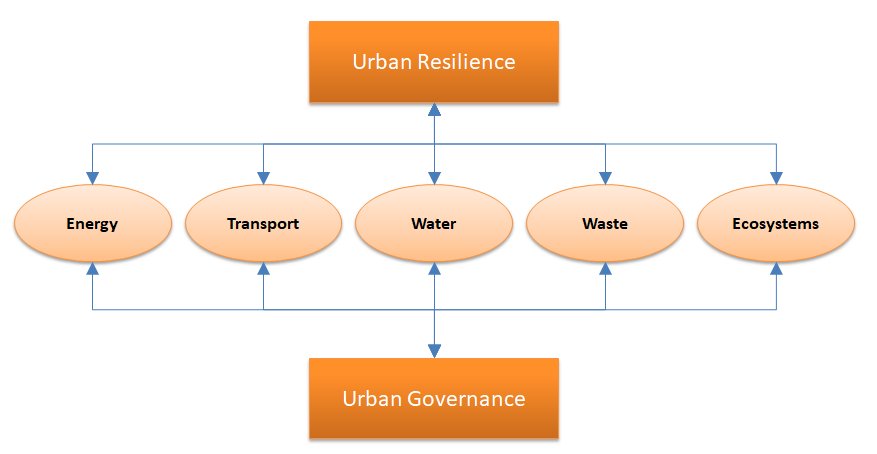 Figure 1. Urban Resilience Through Interconnected Systems
At the same time, cities are uniquely positioned to drive solutions. A large share of the Sustainable Development Goals depends on actions taken at the local level, making urban areas critical arenas for translating global commitments into practical outcomes.
|
BOX 1: Cities and the SDGs
|
 |
SDG 1 (No Poverty): By promoting resilient urban development that protects vulnerable populations, particularly those in informal settlements, from environmental shocks (e.g., floods, heatwaves) and enhances livelihoods through green job creation and equitable access to services, ensuring that progress reaches the poorest urban residents. |
 |
SDG 5 (Gender Equality): By ensuring inclusive urban planning and community engagement processes that consider the diverse needs and contributions of all genders, fostering equitable access to resources, safe public spaces, and decision-making roles in urban governance. |
 |
SDG 6 (Clean Water and Sanitation): Through integrated water resource management, wastewater treatment, and pollution control in urban and peri-urban areas, crucial for public health, ecosystem integrity, and ensuring water security for all residents.
|
 |
SDG 11 (Sustainable Cities and Communities): As the core focus, emphasizing inclusive, safe, resilient, and sustainable human settlements. This involves fostering sustainable urbanization, improving access to basic services, reducing the environmental impact of cities, and enhancing resilience to disasters. |
 |
SDG 13 (Climate Action): By implementing ambitious urban climate mitigation (e.g., low-carbon transport, renewable energy, energy-efficient buildings) and adaptation strategies (e.g., green infrastructure for flood protection, urban cooling), reducing greenhouse gas emissions and building resilience to climate change impacts. |
 |
SDG 14 (Life Below Water): Through concerted efforts to reduce marine pollution originating from urban centers and coastal cities, including improved waste management, wastewater treatment, and stormwater control, and promoting sustainable coastal management practices. |
 |
SDG 15 (Life on Land): By preserving and restoring urban biodiversity and green spaces (e.g., urban forests, parks, wetlands), implementing Nature-Based Solutions, and leveraging indigenous and local ecological knowledge for ecological restoration and sustainable land use. |
 |
SDG 17 (Partnerships for the Goals): By fostering robust multi-stakeholder collaborations at local, national, and regional levels, including with civic society, academic institutions, and the private sector, to drive integrated solutions, mobilize resources, and share best practices. |
|
What distinguishes cities is the way systems intersect. Transport shapes energy demand. Land use influences water systems. Waste affects public health and ecosystems. These interconnections mean that well-designed interventions can generate multiple benefits across sectors. Moving beyond fragmented approaches toward integrated, multi-benefit strategies is therefore essential for building resilient and sustainable cities.
2. Understanding Urban Interlinkages
Cities function as interconnected systems in which sectors such as energy, transport, water, waste, land use, and ecosystems are deeply interdependent. Actions in one domain often produce cascading effects in others.
|
BOX 2: Interplay between Urban Sectors
| |
Cities are complex systems where sectors are deeply intertwined, and recognizing these interdependencies is key to unlocking the inherent benefits. Some examples of these overlaps include:
- Energy and Transport: Promoting integrated urban planning that prioritizes accessible public transport networks, walking, and cycling infrastructure significantly reduces reliance on fossil fuels, contributing to climate change mitigation (SDG 13). This also leads to improved air quality (SDG 3, Good Health and Well-being) by reducing vehicle emissions, lessening traffic congestion, and enhancing economic efficiency. Furthermore, sustainable procurement practices in urban development can prioritize low-carbon materials and energy-efficient technologies for buildings and infrastructure, amplifying these benefits.
- Waste and Energy/Circular Economy: Implementing comprehensive circular economy principles within cities goes beyond mere waste management. Initiatives such as waste-to-energy facilities, large-scale composting of organic waste, and promoting robust reuse and recycling models (SDG 12, Responsible Consumption and Production) drastically reduce landfill burden and associated pollution (SDG 11, SDG 15). This also generates renewable energy (SDG 7, Affordable and Clean Energy) and can stimulate the creation of green jobs and new industries, fostering low-carbon business models and reducing overall energy consumption across urban supply chains.
- Water and Green Infrastructure: Integrating green infrastructure (e.g., permeable pavements, rain gardens, urban forests, constructed wetlands) into urban planning is a powerful interlinked approach. These solutions help manage stormwater runoff (SDG 6, SDG 11) by absorbing excess water, thereby reducing flood risks and improving urban resilience. They also recharge groundwater, filter pollutants, create vital urban green spaces (SDG 15), reduce the urban heat island effect (SDG 13), and enhance the aesthetic appeal and livability of cities. These multi-functional solutions offer significant cost savings compared to traditional grey infrastructure.
|
For example, compact urban design can reduce transport emissions, improve air quality, and lower infrastructure costs. Green infrastructure can manage stormwater, reduce urban heat, and enhance biodiversity. Circular economy approaches can reduce waste while generating energy and supporting livelihoods.
The challenge is not simply coordination, but deliberate integration - designing policies, infrastructure, and investments to deliver multiple outcomes at once. This requires recognizing both the opportunities for co-benefits and the risks of unintended trade-offs.
|
BOX 3: Governance Gaps and Cross-Boundary Issues
| |
Effective urban interlinkages often require overcoming significant governance fragmentation, which can hinder integrated action. Cross-boundary issues, such as shared watershed management, regional air quality, or trans-municipal waste flows, necessitate collaborative governance mechanisms that transcend administrative boundaries. This involves:
- Horizontal Coordination: Fostering seamless collaboration between different municipal departments (e.g., planning, environment, health, transport, finance) to ensure integrated policy development and implementation. This can be achieved through joint planning committees, shared data platforms, and performance indicators that incentivize cross-sectoral outcomes.
- Vertical Coordination: Establishing strong linkages and alignment between local, subnational, and national governments to ensure urban plans are consistent with and contribute to national targets and international commitments (e.g., Nationally Determined Contributions for climate action, Voluntary National Reviews for SDGs). This involves clear policy directives and financial incentives from higher levels of government.
- Inter-municipal Cooperation: Encouraging and facilitating partnerships between neighboring municipalities for managing shared resources or addressing transboundary environmental challenges (e.g., a city upstream impacting water quality downstream, or regional air pollution). This fosters regional cooperation and multi-layered governance approaches that are essential for systemic change.
|
2.1 Interlinkages and Comparisons
While cross-cutting urban solutions aim to deliver multiple benefits across environmental, social, and economic dimensions, they often involve trade-offs that must be carefully assessed and managed. For instance, compact urban development may reduce emissions and infrastructure costs but can also increase housing pressure or displace vulnerable communities if not inclusively planned. Similarly, implementing green infrastructure may require trade-offs in land use or higher upfront costs compared to conventional systems.
| Synergies |
Governance Mechanisms |
Trade-offs |
|
Public transport reduces emissions and congestion
|
Cross-sector planning
|
Higher development and infrastructure costs
|
|
Green infrastructure manages floods and improves biodiversity
|
Multi-stakeholder participation
|
Competition for limited urban land
|
|
Waste-to-energy systems reduce landfill use and generate power
|
Integrated financing and policy coordination
|
Technology, operation, and maintenance costs
|
|
Compact urban development improves service efficiency and accessibility
|
Adaptive regulation and continuous monitoring
|
Potential affordability and social equity concerns
|
Figure 2. Managing Synergies and Trade-offs in Urban Resilience Planning.
Trade-offs also occur across time and space, with some benefits realized only in the long term or in specific geographic areas. This highlights the need for inclusive planning processes that consider distributional impacts, especially on marginalized groups, and involve tools such as environmental and social impact assessments to balance competing priorities. Transparent governance and conflict resolution mechanisms are essential to mediate tensions between stakeholders and promote shared decision-making.
An adaptive, iterative planning approach-coupled with robust data, community engagement, and continuous evaluation-can help cities proactively identify and respond to trade-offs. By openly addressing potential downsides, cities can maximize net positive outcomes and ensure that interconnected approaches support long-term sustainability and social equity.
Table 1: Dimensions of Urban Interlinkages
| Dimension |
Description |
| Multi-dimensional Trade-offs |
Trade-offs can occur across spatial, temporal, and social dimensions. For example, compact urban development may improve energy efficiency and reduce emissions, but can also increase housing pressure or displace vulnerable communities if not managed carefully. Similarly, green infrastructure may involve higher upfront costs or compete for limited urban land.
|
| Distributional Impacts |
Trade-offs often disproportionately affect marginalized populations, including low-income groups, informal settlers, and women. For instance, transitions to cleaner energy systems may increase short-term costs, affecting affordability and access for poorer households. Ensuring equitable outcomes requires inclusive planning and targeted support measures.
|
| Assessment Frameworks and Tools |
Integrated assessment tools such as Strategic Environmental Assessments (SEA), Social Impact Assessments (SIA), and multi-criteria decision analysis (MCDA) can help identify and evaluate trade-offs early in the planning process. These tools should incorporate both quantitative and qualitative data, including community input.
|
| Iterative and Adaptive Planning |
Trade-offs are dynamic and context-specific. Adaptive planning processes that allow for continuous monitoring, stakeholder feedback, and policy adjustment help cities respond to changing conditions and mitigate negative impacts over time.
|
| Conflict Resolution Mechanisms |
Trade-offs may generate conflicts among stakeholders with competing interests. Transparent and participatory mechanisms such as deliberative forums, grievance redress systems, and negotiation platforms are essential to mediate differences and build consensus.
|
By explicitly identifying and managing trade-offs, cities can ensure that efforts to generate synergies do not inadvertently undermine other dimensions of sustainability, thereby safeguarding long-term resilience and social cohesion.
3. Key Areas for Integrated Action
Building urban resilience requires moving beyond sector-by-sector planning towards approaches that recognize the interconnected nature of urban systems. Decisions related to energy, transport, water, waste management, land use, and ecosystems rarely operate in isolation. Instead, they influence one another in ways that can either reinforce sustainability objectives or create unintended challenges. Identifying and managing these interlinkages allows cities to generate multiple benefits from a single intervention, improve resource efficiency, and strengthen their capacity to respond to future shocks and stresses.
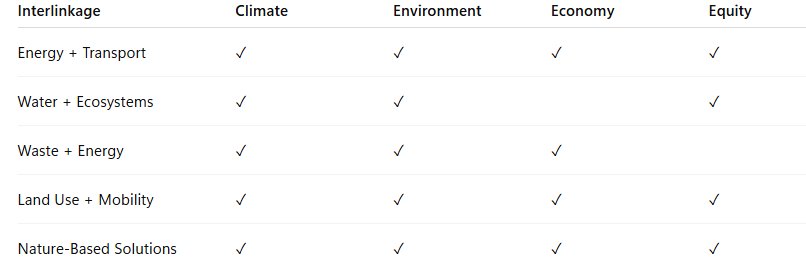 Figure 3. Urban Interlinkages and Co-Benefits Matrix
The following key areas illustrate some of the most important opportunities for integrated action. Each highlights a set of urban systems whose interactions can produce significant environmental, social, and economic gains when planned and managed in a coordinated manner. Together, they demonstrate how cities can build resilience by maximizing synergies, reducing trade-offs, and adopting a more holistic approach to urban development.
|
1. Integrated Planning and Design
|
|
Urban form plays a decisive role in shaping sustainability outcomes. Compact, mixed-use development reduces travel demand, lowers emissions, and improves access to services. Integrating green and blue infrastructure into city planning enhances climate resilience while improving livability and ecosystem health.
|
Urban form and spatial planning shape long-term sustainability outcomes.
- Promote compact, mixed-use development to reduce travel demand, lower emissions, and improve access to services
- Integrate green and blue infrastructure such as parks, wetlands, and permeable surfaces to enhance climate resilience and ecosystem health
- Align land use with infrastructure planning to optimize resource efficiency and avoid costly retrofits
|
|
2. Governance and Coordination
|
|
Institutional fragmentation remains a major barrier. Effective action requires coordination across municipal departments and alignment between local, national, and regional levels. Many urban challenges - such as air pollution and watershed management - also extend beyond administrative boundaries, making inter-municipal cooperation essential.
|
Institutional alignment is essential to address interconnected urban challenges.
- Strengthen cross-departmental coordination within city governments to break down sectoral silos
- Align local, national, and regional policies to ensure coherence with climate, biodiversity, and development goals
- Foster inter-municipal and regional cooperation to manage shared resources such as air sheds and watersheds
|
|
3. Finance and Implementation
|
|
Financing integrated urban development remains a persistent challenge. However, projects that deliver multiple benefits are often more attractive to investors. Instruments such as green bonds, public-private partnerships, and blended finance can help mobilize resources while reducing risk.
|
Mobilizing resources for integrated solutions requires innovative approaches.
- Prioritize investments with multiple benefits to improve cost-effectiveness and attract funding
- Leverage diverse financing instruments including green bonds, public-private partnerships, and blended finance
- Strengthen project preparation and implementation capacity to translate plans into bankable and scalable projects
|
|
4. Inclusion and Knowledge
|
|
Inclusive approaches are critical to ensuring that urban transitions are equitable. Engaging communities, including women, youth, and marginalized groups, leads to more effective and locally grounded solutions. Indigenous and local knowledge systems also offer valuable insights into sustainable resource management and resilience.
|
Equity and local context are central to sustainable urban transformation.
- Ensure inclusive participation of women, youth, and marginalized communities in planning and decision-making
- Incorporate indigenous and local knowledge into urban design, resource management, and resilience strategies
- Promote people-centred approaches that prioritize well-being, accessibility, and social equity
|
|
5. Digital and Capacity Enablers
|
|
Digital technologies can support data-driven decision-making, real-time monitoring, and improved service delivery. At the same time, addressing digital divides and strengthening institutional capacity are essential to ensure that these tools benefit all segments of society.
|
Technology and institutional capacity underpin effective implementation.
- Use data and digital tools for evidence-based planning, monitoring, and service delivery
- Address digital divides to ensure equitable access to technology and information
- Build institutional and human capacity through training, knowledge sharing, and organizational strengthening
|
4. Managing Trade-offs
Integrated approaches often involve trade-offs across spatial, temporal, and social dimensions. For instance, higher-density development can reduce emissions but may increase housing pressure if affordability is not addressed. Similarly, green infrastructure may require higher upfront investment or compete with other land uses.
The table below highlights common trade-offs encountered in urban sustainability efforts, illustrating how interventions designed to deliver multiple benefits may also introduce new challenges that require careful management.
Table 2: Urban Trade-offs
| Intervention Area |
Potential Benefits |
Possible Trade-offs / Risks |
Key Considerations for Management |
| Compact city development |
Reduced emissions, efficient infrastructure, improved accessibility |
Increased housing costs, risk of displacement, reduced open space |
Ensure affordable housing, inclusive zoning, provision of green spaces |
| Green infrastructure (parks, wetlands, permeable surfaces) |
Flood control, urban cooling, biodiversity, improved livability |
Higher upfront costs, land use competition in dense areas |
Integrate into early planning, combine with grey infrastructure, prioritize multifunctional use |
| Public transport expansion |
Lower emissions, reduced congestion, improved mobility |
High capital costs, potential disruption during construction |
Long-term financing, phased implementation, stakeholder engagement |
| Renewable energy transition |
Reduced emissions, improved air quality, energy security |
Higher short-term costs, affordability concerns for low-income groups |
Targeted subsidies, just transition policies, decentralized systems |
| Waste-to-energy and circular systems |
Reduced landfill use, energy generation, job creation |
Emission concerns, potential lock-in of waste streams |
Strong environmental standards, prioritize waste reduction and recycling first |
| Urban redevelopment and regeneration |
Revitalized neighborhoods, economic growth, improved infrastructure |
Gentrification, displacement of vulnerable populations |
Inclusive planning, social safeguards, community participation |
| Digital and smart city systems |
Improved efficiency, real-time data, better service delivery |
Digital exclusion, privacy and data security risks |
Invest in digital inclusion, strengthen data governance and protection frameworks |
| Water resource management (dams, diversions, watershed control) |
Improved water security, flood control, agricultural support |
Ecological disruption, downstream impacts, community displacement |
Integrated watershed management, stakeholder coordination, environmental safeguards |
These trade-offs must be explicitly recognized and managed. Key approaches include inclusive planning processes, transparent decision-making, and the use of assessment tools to evaluate impacts across sectors and communities. Adaptive planning, supported by continuous monitoring and stakeholder engagement, allows cities to respond to changing conditions and refine policies over time.
Addressing trade-offs openly strengthens both the effectiveness and fairness of urban interventions.
5. Case Studies
The experiences of Singapore, Beijing, and China's Sponge Cities Initiative outlined below, demonstrate that urban resilience is most effective when cities adopt integrated and systems-based approaches rather than addressing challenges through isolated sectoral interventions. Despite differences in context and scale, all three cases show that coordinated planning across multiple urban systems can generate significant environmental, social, and economic benefits while enhancing the capacity to respond to climate and development pressures.
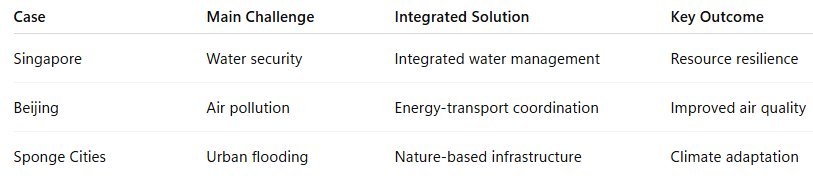 Figure 4. Comparative Case Study Framework
Several common lessons emerge. First, strong institutional coordination and long-term planning are essential for managing complex urban interlinkages. Second, nature-based solutions can deliver multiple benefits simultaneously, including flood management, biodiversity conservation, improved public spaces, and climate adaptation. Third, resilience investments are most successful when supported by innovative financing mechanisms, clear policy frameworks, and collaboration among government agencies, businesses, and communities. Finally, adaptive governance and continuous learning enable cities to respond effectively to changing conditions and emerging risks. Together, these lessons highlight the importance of integrated decision-making as a foundation for building resilient and sustainable cities.
|
Case Study Card #1
|
|
Nature-Based Urban Development
|
| Location; |
 Singapore
Singapore has integrated nature into its urban fabric through park connectors, green buildings, and water-sensitive design. These interventions improve biodiversity, reduce urban heat, enhance water management, and create high-quality public spaces, demonstrating how environmental and social benefits can be achieved together.
|
| Background: |
Singapore, a highly urbanized island nation with limited land area, faces significant challenges related to climate change impacts (e.g., urban heat island effect, sea-level rise), water scarcity, and biodiversity conservation. The "City in a Garden" vision, evolving into a "City in Nature," aims to deeply integrate nature into the urban fabric to enhance liveability and urban resilience.
| | Actions: |
Singapore has implemented extensive Nature-Based Solutions as core components of its urban planning:
- Park Connectors: A comprehensive network of green corridors linking parks, natural areas, and residential estates, promoting biodiversity movement, facilitating recreational activities like walking and cycling, and improving air quality.
- Biophilic Design: Integrating natural elements into building design and infrastructure, such as vertical gardens, green roofs, and sky gardens, which help to cool buildings, improve air quality, manage stormwater, and enhance the psychological well-being of residents.
- Active, Beautiful, Clean Waters (ABC Waters) Programme: A long-term initiative to transform drains, canals, and rivers into vibrant, clean streams and lakes. This enhances water quality, manages floods through natural systems, and creates new recreational amenities and community spaces.
- Mandatory Greenery Provision: Regulations requiring developers to replace greenery lost to development with new green spaces, often through rooftop gardens and vertical greenery, ensuring a net gain in urban green cover.
| | Outcomes: |
- Environmental Synergies: Enhanced urban biodiversity, significant reduction in the urban heat island effect, improved air and water quality, and increased flood resilience through natural water management. These contribute directly to climate adaptation and ecosystem health.
- Social Synergies: Improved public health and well-being through increased access to green spaces, enhanced recreational opportunities, and strengthened community cohesion around shared natural assets.
- Economic Synergies: Increased property values in areas with high-quality green amenities, attraction of eco-tourism, and reduced long-term costs associated with traditional grey infrastructure for flood management and cooling.
|
| Lessons: |
Singapore's success demonstrates that a long-term vision, strong political commitment, robust inter-agency collaboration (e.g., National Parks Board, Public Utilities Board), and sustained public engagement are crucial for successful large-scale NBS implementation in a dense urban environment.
|
|
Case Study Card #2
|
|
Integrated Air Pollution Control
|
| Location; |
 Beijing, P.R. China
Beijing has significantly improved air quality through a combination of energy transition, industrial restructuring, transport policies, and regional cooperation. These measures have reduced emissions while delivering major public health benefits and supporting the growth of green industries.
|
| Background: |
Beijing historically suffered from severe and persistent air pollution, particularly PM2.5, due to rapid industrialization, extensive urbanization, and heavy reliance on coal for energy and heating. This posed significant health risks to its millions of urban residents and caused severe environmental degradation.
| | Actions: |
Beijing implemented a comprehensive and multi-faceted set of synergistic measures, often referred to as a "war on pollution":
- Energy Transition: Aggressive phasing out of coal-fired power plants within the city and surrounding regions, replacing them with cleaner energy sources such as natural gas and renewables for industrial use and residential heating. This directly reduced emissions from major stationary sources.
- Industrial Restructuring and Relocation: Shutting down or upgrading heavily polluting industries and relocating them away from the urban core, coupled with stricter emission controls for remaining industries.
- Vehicle Emission Control: Implementing stringent vehicle emission standards, promoting the use of electric vehicles, expanding and improving public transport networks, and restricting high-polluting vehicles from city centers.
- Regional Collaboration: Establishing a coordinated regional air pollution control mechanism with surrounding provinces (Hebei, Tianjin) to address transboundary air pollution, recognizing that air quality is a regional issue requiring collective action.
- Public Awareness and Participation: Engaging the public through real-time air quality monitoring data and campaigns to encourage behavioral changes.
| | Outcomes: |
- Environmental Synergies: Dramatic reduction in concentrations of key air pollutants (PM2.5, SO2, NOx), leading to significantly improved air quality. This also contributed substantially to climate change mitigation by reducing greenhouse gas emissions from fossil fuel combustion.
- Health Synergies: Decreased incidence of respiratory and cardiovascular diseases, leading to improved public health outcomes, reduced healthcare burdens, and increased life expectancy for urban residents.
- Economic Synergies: Stimulated the development of green industries, fostered innovation in environmental technologies, and reduced healthcare costs. The improved air quality also enhanced the city's attractiveness for business and tourism.
|
| Lessons: |
Beijing's experience highlights that strong political will, an integrated and comprehensive policy package, robust monitoring and enforcement systems, and effective inter-regional cooperation are vital for tackling complex environmental issues like severe air pollution effectively and achieving rapid improvements.
|
|
Case Study Card #3
|
|
Sponge Cities Initiative
|
| Location; |
P. R. China
China's Sponge Cities approach combines green and grey infrastructure to manage urban flooding. By enhancing water absorption, storage, and reuse, cities have reduced flood risks, improved water quality, and increased urban resilience, while also creating more livable urban environments.
|
| Background: |
Many Chinese cities face severe challenges from urban flooding due to rapid urbanization, extensive hardened surfaces that prevent water infiltration, and the increasing frequency and intensity of extreme rainfall events driven by climate change. Traditional "grey" infrastructure solutions (e.g., large pipes, concrete channels) often prove insufficient, costly, and unsustainable.
| | Actions: |
Launched in 2015, the national Sponge City Initiative aims to transform urban areas into permeable, resilient ecosystems that can absorb, store, and reuse rainwater through a combination of green and grey infrastructure. Key actions include:
- Green Infrastructure Integration: Extensive incorporation of permeable pavements, green roofs, rain gardens, bioswales, constructed wetlands, and urban forests into urban planning and development across designated pilot cities.
- Water Management Strategies: Capturing, storing, and purifying rainwater for various reuse purposes (e.g., irrigation, non-potable uses) and slowing down runoff to significantly reduce flood peaks and alleviate pressure on drainage systems.
- Policy and Planning Integration: Embedding sponge city principles into urban master plans, zoning regulations, building codes, and urban design guidelines, making them a mandatory consideration for new developments and urban renewal projects.
- Pilot Programs and Investment: Significant national and local government investment in pilot projects in designated cities to test and refine diverse approaches, gather data, and demonstrate the effectiveness of integrated water management solutions before wider adoption.
| | Outcomes: |
- Environmental Synergies: Significant reduction in urban flooding events and their severity, improved water quality (as natural systems filter pollutants), increased groundwater recharge, and enhanced urban biodiversity. The expanded green spaces also contribute to reducing the urban heat island effect, improving air quality, and sequestering carbon.
- Social Synergies: Improved public safety and reduced disruption from floods, creation of more livable and aesthetically pleasing urban spaces, and enhanced recreational opportunities for residents.
- Economic Synergies: Reduced economic losses from flood damage, lower long-term costs for traditional drainage infrastructure, increased property values in areas with green amenities, and the creation of new industries and jobs related to green infrastructure development and maintenance.
|
| Lessons: |
The Sponge City Initiative demonstrates how a comprehensive, nature-based approach to urban water management can deliver multiple environmental, social, and economic benefits, fundamentally enhancing urban resilience to climate change. Strong government leadership, integrated planning across various sectors (urban planning, water management, environmental protection), and substantial financial investment are key success factors.
|
6. Key Messages for Action
Building on the analysis presented in this paper, the following key messages highlight priority areas for action. Together, they underscore the importance of integrated, inclusive, and systems-based approaches to urban development, and provide a concise framework to guide policymakers, practitioners, and stakeholders in advancing resilient and sustainable cities.
 |
Cities are central to addressing environmental challenges
| ➔ |
Urban areas sit at the intersection of climate change, biodiversity loss, and pollution. Their concentration of people, infrastructure, and economic activity means that both risks and solutions are amplified in cities. Actions taken at the urban level will therefore play a decisive role in shaping regional and global sustainability outcomes.
|
|
Urban systems are deeply interconnected, requiring integrated approaches
| ➔ |
City systems such as energy, transport, water, land use, and waste are tightly linked. Decisions in one sector inevitably influence others, often in ways that are not immediately visible. Recognizing these interconnections allows policymakers to move beyond fragmented interventions toward approaches that address multiple challenges simultaneously.
|
|
Well-designed interventions can generate multiple environmental, social, and economic benefits
| ➔ |
Integrated urban actions can deliver a range of outcomes at once. For example, improving public transport can reduce emissions, enhance air quality, and increase access to jobs and services. Designing policies and investments with these multiple benefits in mind improves efficiency and strengthens the overall impact of urban development strategies.
|
|
Governance, finance, and planning systems must move beyond sectoral silos
| ➔ |
Traditional approaches to urban management often separate responsibilities across departments and levels of government. This fragmentation limits effectiveness. More coordinated governance structures, aligned policy frameworks, and integrated planning processes are needed to support solutions that reflect the complexity of urban systems.
|
|
Inclusion, local knowledge, and participation are essential for equitable outcomes
| ➔ |
Urban sustainability transitions must be grounded in the needs and experiences of people. Engaging communities, especially marginalized groups, helps ensure that policies are fair, relevant, and widely supported. Incorporating indigenous and local knowledge further strengthens solutions by drawing on context-specific experience and long-standing practices.
|
|
Trade-offs must be anticipated and managed through transparent and adaptive processes
| ➔ |
Integrated approaches often involve balancing competing priorities across sectors, timeframes, and social groups. Making these trade-offs explicit enables better decision-making and helps avoid unintended consequences. Transparent processes, inclusive dialogue, and adaptive planning are critical to managing complexity and ensuring that outcomes remain equitable over time.
|
|
BOX 4: Concluding Takeaways
|
- Cities are central to addressing the triple planetary crisis
- Urban systems are deeply interconnected, requiring integrated approaches
- Well-designed interventions can generate multiple environmental, social, and economic benefits
- Governance, finance, and planning systems must move beyond sectoral silos
- Inclusion, local knowledge, and participation are essential for equitable outcomes
- Trade-offs must be anticipated and managed through transparent and adaptive processes
|
Cities hold immense potential to drive sustainable development in the Asia-Pacific region. By recognizing and leveraging the interconnections between urban systems, they can move beyond isolated interventions toward approaches that deliver multiple benefits simultaneously.
Achieving this transformation requires coordinated action across sectors and levels of governance, supported by inclusive processes, innovative financing, and strong institutional capacity. It also requires a shift in mindset - from addressing problems in isolation to designing solutions that reflect the complexity of urban systems.
With deliberate and sustained effort, cities can become powerful engines of resilience, advancing the Sustainable Development Goals while responding effectively to the pressing environmental challenges of our time.
References
Editorial Note: All links are as of 10 December 2025.
|