 |
Hari Srinivas |
|
Explainer Series E-245.
|

Abstract:
This explainer highlights why desertification processes demand urgent global attention, emphasizing that the degradation of productive land poses far greater risks to ecosystems and human well-being than the natural existence of deserts. It outlines five key dimensions of concern, including the loss of soil fertility, diminished water availability, biodiversity decline, livelihood insecurity, and the wider climate feedbacks that accelerate environmental change.
Through global examples such as Niger's farmer managed regeneration, the Loess Plateau restoration in China, and India's watershed programmes, the text illustrates how targeted interventions can successfully reverse degradation when ecological measures are paired with strong community engagement. The write-up concludes with a way forward that underscores the importance of coordinated action involving governments, local communities, researchers, civil society, and the private sector to protect land resources and build long term resilience.
|
Keywords:
desertification, land degradation, soil fertility, water scarcity, biodiversity loss, livelihood resilience, ecosystem restoration, climate adaptation
|
|
Desertification is not the spread of deserts but the silent loss of productive land, making it one of the most urgent environmental challenges of our time.
 Figure 1: From Healthy Lands to Degraded Areas
 |
We should be more concerned about desertification processes than about deserts themselves because desertification represents a dynamic and destructive transformation of the land, while deserts are natural ecosystems that have evolved to function sustainably within their climatic limits. Deserts such as the Sahara, the Gobi, or the Mojave are stable biomes, home to unique plant and animal species that have adapted to arid conditions over millennia. They are not wastelands, but functioning ecosystems with their own balance of life and energy.
Desertification, by contrast, is a human-induced process that degrades once-productive land into barren, uninhabitable terrain. It occurs mainly in the drylands and semi-arid regions that border natural deserts-areas where soil fertility, vegetation cover, and water availability are already fragile. Unsustainable agricultural practices, deforestation, overgrazing, and poorly managed irrigation accelerate this process, stripping the land of its productive capacity. What begins as a patch of eroded soil or a failed harvest can, over years, expand into an irreversible landscape-scale transformation.
The consequences of desertification reach far beyond the immediate loss of soil or vegetation. It reduces food production, intensifies poverty, displaces communities, and triggers ecological changes that can alter local and global climates. Unlike natural deserts, which sustain biodiversity and maintain a stable ecological balance, lands undergoing desertification lose their resilience, becoming unable to recover from stress or support livelihoods. This process not only diminishes the environmental base on which human societies depend but also magnifies social and economic vulnerabilities across entire regions.
 Figure 2: Five factors of desertification processes
Understanding desertification as an ongoing process-rather than a static condition-is essential. It reminds us that what is at stake is not the existence of deserts, but the transformation of once-productive ecosystems into degraded lands that may never recover. The following sections explore why desertification is so alarming, focusing on its impacts on productive land, ecosystems, societies, the global climate, and the very reversibility of the Earth's life-support systems.
1. Loss of productive land
Desertification represents one of the most severe threats to the world's productive land resources. Unlike deserts that have naturally adapted to arid conditions, lands undergoing desertification were once fertile or semi-arid ecosystems capable of supporting crops, livestock, and vegetation. Through a combination of unsustainable agricultural practices, overgrazing, deforestation, and poor irrigation management, soils lose their structure and fertility. As nutrients are depleted and organic matter declines, productivity drops sharply. The surface becomes more vulnerable to erosion by wind and water, creating a vicious cycle of degradation.
This degradation directly affects food production and rural livelihoods. Farmers and herders in regions affected by desertification often find themselves unable to sustain yields or maintain livestock herds, forcing them to overexploit remaining resources. With every growing season, the land's capacity to recover weakens. The consequences ripple outward to affect national economies, especially in countries where agriculture employs large segments of the population. Food insecurity intensifies, prices rise, and dependence on imported food increases.
In the long term, the cumulative loss of productive land poses a major global challenge. It undermines the very foundation of rural economies and weakens resilience to climate change. Restoring degraded soils is a slow and costly process, requiring reforestation, controlled grazing, and soil rehabilitation measures. Thus, preventing land degradation in the first place is far more effective than attempting to reclaim already desertified areas.
Examples:
- In northern Nigeria, excessive cultivation and grazing in the Sahel region have led to severe topsoil loss and declining millet and sorghum yields.
- The Aral Sea basin in Central Asia experienced large-scale salinization from poorly managed irrigation for cotton, rendering millions of hectares infertile.
- In northern China, overuse of marginal land for wheat and corn production has caused expanding sand dunes that threaten entire villages and farmlands.
2. Disruption of ecological balance
Natural deserts are intricate ecosystems with species uniquely adapted to survive under conditions of extreme heat, limited water, and nutrient-poor soils. These ecosystems are stable and sustainable within their environmental limits. Desertification, on the other hand, is a process that disrupts established ecological balances. As vegetation cover declines, soil organisms die off, and habitats fragment, the intricate web of interactions that supports biodiversity collapses. The result is not a new stable ecosystem, but an impoverished landscape with little capacity to regenerate.
The loss of vegetation is especially harmful. Plants play a crucial role in protecting soil from erosion, maintaining moisture levels, and facilitating nutrient cycling. When this cover is removed through human activities or climatic stress, the soil surface is left bare. Without the anchoring effect of roots, erosion accelerates, and the land loses its capacity to store water. Desertified land often turns into a crusted surface that prevents rainwater infiltration, increasing runoff and reducing groundwater recharge.
Biodiversity loss further compounds ecological instability. Once the plant community disappears, wildlife dependent on that vegetation for food and shelter also vanishes. Pollinators, insects, and small mammals are among the first to be affected, disrupting ecological services such as pollination and seed dispersal. What emerges is an unbalanced, fragile environment that can no longer perform its natural functions-ultimately transforming once-living landscapes into lifeless expanses.
Examples:
- In Madagascar, extensive deforestation for charcoal has caused topsoil erosion and loss of native species, leaving degraded grasslands in place of once-rich forests.
- Mongolia's steppe ecosystems are losing grass cover due to overgrazing, leading to dust storms and the collapse of habitats for species like the saiga antelope.
- In Spain's Mediterranean region, the combination of deforestation, wildfires, and overcultivation has led to loss of soil biodiversity and altered hydrological cycles.
 Figure 3: Impacts Across the FEWW Nexus (Food-Energy-Water-Waste)
3. Socioeconomic impacts
Desertification has profound consequences for human societies, particularly in regions where livelihoods depend on land and water resources. Rural populations are often the first to experience the effects-declining crop yields, reduced grazing capacity, and dwindling water supplies. As the land becomes less capable of supporting livelihoods, poverty deepens. Families may be forced to sell livestock, migrate to urban areas, or abandon traditional occupations. This economic strain exacerbates social inequalities and undermines community stability.
At a broader level, desertification contributes to patterns of displacement and migration that can destabilize regions. When rural populations lose their means of subsistence, they often migrate in search of better opportunities, swelling urban populations and straining city infrastructure. In extreme cases, competition for remaining fertile land and water can trigger conflict between communities or across borders. Such tensions highlight the deep interconnection between environmental degradation, social well-being, and security.
The economic costs are immense. Loss of agricultural productivity reduces national income, weakens food security, and increases reliance on external aid. Governments must spend scarce resources on emergency relief, rehabilitation, or importing food, diverting funds from other critical development needs. Addressing desertification, therefore, is not only an environmental necessity but a socioeconomic imperative for achieving stability, equity, and sustainable development.
Examples:
- In the Sahel region, repeated droughts and land degradation have displaced thousands of pastoralist families, leading to conflicts between farmers and herders.
- The drying of Lake Chad has forced millions to migrate, intensifying regional insecurity and contributing to social unrest in Nigeria, Niger, and Chad.
- In Iran's Sistan-Baluchestan province, desertification has worsened poverty and driven mass out-migration as traditional livelihoods based on agriculture and herding collapse.
4. Climate feedback loops
Desertification does not occur in isolation-it interacts closely with the global climate system. Healthy soils and vegetation act as carbon sinks, storing carbon dioxide and regulating local climates through evapotranspiration. When land degrades, this balance is lost. The removal of vegetation and exposure of bare soil cause stored carbon to be released into the atmosphere, contributing to greenhouse gas accumulation. The land's diminished capacity to absorb and retain moisture also alters local weather patterns, potentially reducing rainfall and prolonging droughts.
Another important feedback mechanism involves surface reflectivity, or albedo. Degraded land surfaces reflect more solar radiation than vegetated areas, altering the regional energy balance. This can modify temperature and precipitation regimes, making conditions even harsher and less conducive to plant growth. In other words, the very process of desertification reinforces the climatic stresses that initiated it, locking regions into a self-perpetuating cycle of degradation and aridity.
At a global scale, widespread desertification amplifies climate change impacts. It reduces the resilience of ecosystems and human communities, undermines global food security, and accelerates the loss of biodiversity. The feedbacks between degraded land and climate emphasize the need for integrated approaches that combine land management, reforestation, and climate adaptation strategies. Protecting land from desertification is therefore an essential component of global climate action.
Examples:
- In southern Africa, deforestation and soil erosion have reduced rainfall and increased temperatures, aggravating local drought conditions.
- China's Loess Plateau once suffered extreme erosion that released huge amounts of carbon; large-scale restoration has since reversed this, showing the climate link.
- In Australia's interior, the expansion of degraded rangelands has altered local microclimates, leading to more frequent heatwaves and dust storms.
5. Irreversibility and scale
One of the most troubling aspects of desertification is its potential irreversibility. In many cases, once soil has lost its structure, nutrients, and microbial life, recovery becomes exceedingly difficult. Without vegetation to stabilize the soil or restore organic matter, natural regeneration may take centuries. The thin layer of topsoil that sustains most terrestrial life can be destroyed in a matter of years but takes hundreds of years to form. This imbalance between the rate of degradation and recovery makes desertification a long-term threat.
The scale of the problem further complicates recovery efforts. Desertification affects over one-third of the Earth's land surface and threatens the livelihoods of more than a billion people. The affected areas span multiple countries and climatic zones, making coordination and management complex. Because the processes driving desertification-deforestation, unsustainable farming, and overexploitation of water-are deeply rooted in economic and social systems, reversing them requires systemic change rather than isolated technical fixes.
Given this, prevention is far more effective than cure. Sustainable land management practices, such as agroforestry, soil conservation, and controlled grazing, can maintain land productivity while reducing pressure on ecosystems. Once desertification takes hold, restoration demands enormous investment and sustained commitment. Recognizing the early signs of degradation and intervening before critical thresholds are crossed is therefore essential to safeguarding the planet's productive and ecological foundations.
Examples:
- The Gobi Desert's expansion into northern China and southern Mongolia has proven almost impossible to reverse despite major reforestation campaigns.
- The once-fertile plains of Mesopotamia (Iraq and Syria) have been irreversibly salinized by centuries of poor irrigation and mismanagement of river systems.
- In parts of southern Spain and North Africa, centuries of overgrazing and deforestation have created permanent badlands where natural recovery is no longer possible.
Way Forward: Who Has to Do What?
Desertification is both a symptom and a driver of deeper imbalances in how we manage land, water, and ecosystems. Addressing it requires action not from one sector alone, but from all parts of society. No single actor can reverse land degradation without the participation of others. What is needed is a multi-stakeholder partnership that connects policies, science, finance, and community action - working together to make degraded land productive again and prevent further loss.
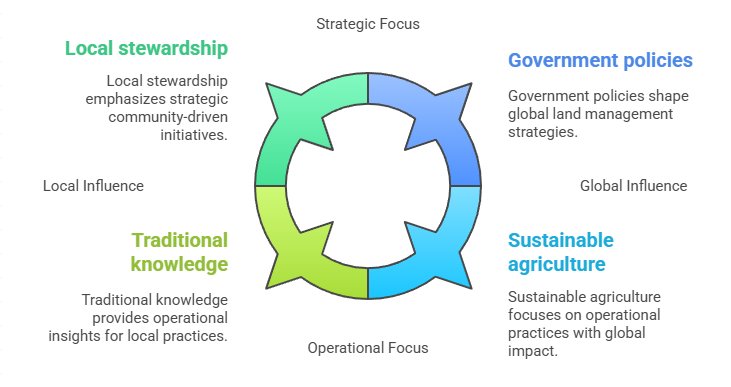 Figure 4: Stakeholders and Interventions Map
Governments and Policy Makers
Governments are the key enablers of change. They must adopt and enforce integrated land-use policies that combine environmental protection with economic planning. Incentives for soil conservation, afforestation, and sustainable agriculture can help reverse degradation trends. Effective governance also requires secure land tenure, drought preparedness, and inclusion of anti-desertification strategies in national climate and development frameworks. Partnerships between ministries of agriculture, environment, and rural development can ensure coordinated implementation rather than fragmented efforts.
Local Communities and Farmers
Communities living in affected areas are the first to experience the impacts - and the first line of defense against further degradation. Supporting local farmers, herders, and indigenous groups with appropriate technologies and knowledge can transform vulnerable lands into resilient systems. Practices such as water harvesting, crop diversification, agroforestry, and rotational grazing reduce pressure on land and improve productivity. Empowering local institutions and cooperatives ensures that restoration is community-driven and sustainable over the long term.
Private Sector and Financial Institutions
The private sector has both responsibility and opportunity. Agricultural enterprises, extractive industries, and infrastructure developers can integrate land restoration and resource efficiency into their operations. Investments in regenerative agriculture, nature-based solutions, and land-neutral value chains can turn sustainability into a competitive advantage. Financial institutions, meanwhile, can promote green financing instruments and assess land degradation risks in their portfolios, supporting businesses that maintain healthy ecosystems.
International Organizations and Donors
Multilateral agencies and donor governments play a vital convening and coordinating role. They can facilitate technology transfer, share good practices, and provide funding for large-scale restoration efforts. Global initiatives such as the UN Convention to Combat Desertification (UNCCD) and the Land Degradation Neutrality (LDN) framework serve as anchors for aligning national and local efforts within a global vision. Linking desertification control to the Sustainable Development Goals-particularly SDGs 13 and 15-ensures that land restoration becomes part of the broader climate and sustainability agenda.
Researchers and Educators
Knowledge generation and dissemination are essential to guide effective action. Researchers can develop better tools for monitoring land degradation, evaluate restoration techniques, and model future land-use scenarios. Educators and training institutions can build capacity in land and water management, preparing a new generation of practitioners who understand both ecological and social dimensions of desertification. Public awareness campaigns can also help citizens grasp the connection between land health, food security, and climate stability.
Citizens and Consumers
Every individual can contribute by making informed choices that reduce pressure on land. Supporting sustainably sourced products, reducing food waste, and participating in local conservation initiatives are simple but meaningful actions. Public advocacy for sustainable land policies can also drive accountability from governments and corporations alike. When citizens act as conscious consumers and stewards of their environments, they become active partners in the global effort against desertification.
A Shared Responsibility
Combating desertification ultimately requires collective commitment across scales and sectors. Governments can provide the policy framework; businesses can bring innovation and investment; communities can apply local knowledge; and researchers can guide solutions with evidence.
Together, these actors form an interdependent system where cooperation yields far greater impact than isolated efforts. Only through sustained, inclusive, and multi-stakeholder collaboration can we hope to restore the world's degraded lands - turning the threat of desertification into an opportunity for renewal, resilience, and shared prosperity.
 Case Study 1: Niger's farmer managed natural regeneration Case Study 1: Niger's farmer managed natural regeneration
Niger's farmer managed natural regeneration is widely seen as one of the most successful low-cost and community driven approaches to reversing land degradation in the Sahel. Instead of planting new trees, farmers protect and selectively prune naturally occurring shoots from underground root systems, allowing them to grow into full trees and shrubs.
This simple method has restored millions of hectares of degraded farmland, improved soil fertility, increased crop yields, and strengthened resilience to drought. By placing decision making directly in the hands of farmers, the approach has shown how empowering local custodians of the land can deliver large scale ecological recovery at minimal cost.
|
 Case Study 2: China's Loess Plateau rehabilitation Case Study 2: China's Loess Plateau rehabilitation
China's rehabilitation of the Loess Plateau transformed one of the worlds most eroded and impoverished regions into a productive, ecologically stable landscape within a single generation. The programme combined terracing, reforestation, controlled grazing, soil conservation engineering, and community livelihood support to address both environmental and economic conditions.
As vegetation returned and soil loss declined, farmers gained new opportunities in horticulture and sustainable agriculture, while downstream flooding risk was reduced. The project demonstrated how integrated land management, backed by sustained investment and strong coordination across sectors, can reverse centuries of degradation and improve human well-being at the same time.
|
 Case Study 3: India's watershed management programmes Case Study 3: India's watershed management programmes
India's watershed management programmes, implemented across semi arid and drought prone areas, have shown how holistic planning can regenerate degraded landscapes while supporting rural livelihoods. By improving soil moisture retention, building small check dams, promoting contour bunding, and encouraging community stewardship of shared commons, these programmes have increased groundwater levels, expanded cropping options, and stabilized household incomes.
Many initiatives also link conservation activities with womens groups and village institutions, strengthening social capital alongside ecological outcomes. The approach illustrates how restoring the hydrological balance of a landscape is central to tackling land degradation and building long term climate resilience.
|
|