Lexicon of Sustainable Transportation
 |
Hari Srinivas |
|
Management Tools Series E-242.
|
Abstract:
Sustainable transportation extends beyond efficient mobility to encompass equitable access, environmental responsibility, and economic viability. It focuses on providing services closer to users through decentralized and mixed-use urban planning, thereby reducing travel demand while improving accessibility. A sustainable transport system emphasizes flexibility, efficiency, and inclusivity through pedestrianization, clean public transit, bicycle networks, and green corridors.
Its three dimensions - ecological, economic, and social - mirror those of sustainable development, promoting reduced emissions, affordability, and social equity. Transport systems intersect with climate change mitigation, energy efficiency, sustainable tourism, and urban planning, requiring coherent policies, technologies, and financing. By aligning transport strategies with broader sustainability goals, cities can enhance access and mobility while contributing to long-term environmental and socio-economic resilience.
|
Keywords:
sustainable transportation, climate mitigation, energy efficiency, sustainable tourism, urban planning, accessibility, ecological economics, mobility systems
|
Lexicon of Sustainable Transportation
Transportation is one of the most visible and vital elements of urban life, shaping how people connect, how goods move, and how cities grow. Yet, it is also among the largest contributors to greenhouse gas emissions, air pollution, and resource consumption. Making transportation systems more sustainable is therefore a central challenge?and opportunity?in achieving the broader goals of sustainable development. A shift toward cleaner, safer, and more equitable mobility can transform the way cities function, improving both environmental quality and quality of life.
Sustainable transportation goes beyond improving the efficiency of vehicles or expanding infrastructure. It redefines the purpose of mobility itself, from moving vehicles to enabling people and goods to reach the places and services they need. Achieving this vision requires balancing environmental protection, economic viability, and social inclusion. It means designing systems that minimize energy use and emissions, provide affordable and accessible travel choices, and strengthen the resilience of communities.
Because transport systems are inherently complex and interconnected, sustainability in this sector demands a multi-stakeholder approach. Governments at all levels, businesses, civil society organizations, and citizens all play essential roles in shaping policies, technologies, and behaviors. Coordination across sectors such as energy, land use, urban planning, tourism, and governance, is equally critical, as decisions in each can have far-reaching effects on mobility and access.
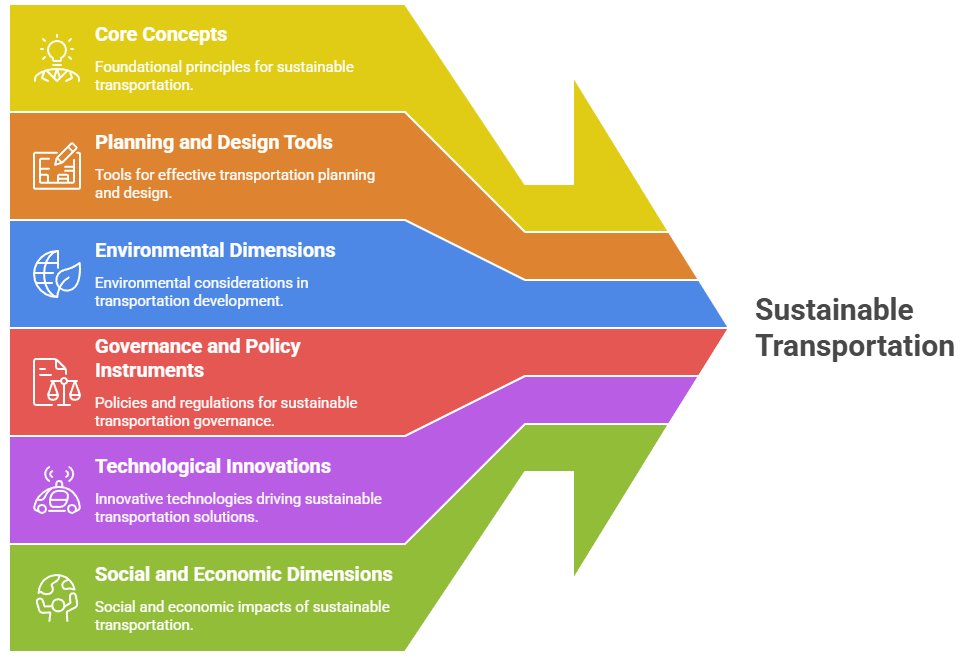 Figure 1: Categories of the Sustainable Transportation Lexicon
This Lexicon of Sustainable Transportation brings together the key concepts, tools, and strategies that define this evolving field. It serves as a quick-reference guide for policymakers, practitioners, researchers, and educators, helping to build a shared understanding of the diverse dimensions of sustainable mobility. By fostering a common vocabulary, the lexicon encourages integrated thinking and collaborative action toward transport systems that are cleaner, safer, more inclusive, and ultimately more sustainable.
1. Core Concepts
- Sustainable Transportation
- A transportation system that meets the mobility needs of people and goods while minimizing environmental impacts, supporting social equity, and ensuring economic resilience. It balances ecological, economic, and social objectives to create long-term, inclusive mobility.
Examples: Copenhagen's citywide cycling network, where over 60% of commuters use bicycles daily.
→Related: Integrated Transport Systems, Sustainable Urban Mobility Plan
- Mobility vs. Accessibility
- Mobility refers to movement, while accessibility focuses on reaching destinations efficiently and equitably. Sustainable systems emphasize accessibility by bringing services closer to users.
Examples: Curitiba's integrated land-use and bus rapid transit (BRT) system enhances accessibility through proximity-based planning.
→Related: Mixed-Use Zoning, Transit-Oriented Development
- Modal Shift
- The transition from private vehicles to more sustainable modes such as public transit, cycling, and walking, supported by policy incentives and urban design.
Examples: Paris's "Plan Velo" encourages a modal shift to cycling through dedicated lanes and bike-sharing services.
→Related: Transport Demand Management
- Transport Demand Management (TDM)
- Strategies that influence travel behavior to reduce car dependency and encourage shared or non-motorized options.
Examples: London's congestion charge has successfully reduced central city traffic volumes.
→Related: Congestion Pricing, Shared Mobility
- Integrated Transport Systems
- Coordination of multiple modes (bus, rail, cycling, walking) to ensure seamless connectivity through unified ticketing, synchronized schedules, and shared information systems.
Examples: Singapore's multi-modal EZ-Link card integrates buses, MRT trains, and bike-share systems.
→Related: Mobility as a Service, Intelligent Transport Systems
2. Planning and Design Tools
- Transit-Oriented Development (TOD)
- Development strategy that clusters housing, employment, and services around public transport nodes, promoting compact, walkable communities.
Examples: Tokyo's railway-based mixed-use districts demonstrate high-density TOD around major stations.
- Complete Streets
- An inclusive design philosophy ensuring streets are safe and accessible for pedestrians, cyclists, motorists, and transit users alike.
Examples: New York City's Broadway redesign integrates pedestrian plazas and protected bike lanes.
→Related: Active Mobility
- Mixed-Use Zoning
- Land-use planning that integrates residential, commercial, and public spaces to reduce travel distances and promote accessibility.
Examples: Melbourne's "20-minute neighborhoods" integrate housing, shops, and workplaces within short walking distances.
- Non-Motorized Transport (NMT)
- Human-powered modes such as walking and cycling that provide low-cost, zero-emission alternatives and improve public health.
Examples: Amsterdam's cycling culture exemplifies the success of sustained NMT investment.
→Related: Active Mobility
- Green Corridors
- Linked open spaces and natural routes that support biodiversity and promote sustainable, non-motorized movement between neighborhoods and urban centers.
Examples: Seoul's Cheonggyecheon restoration turned an urban highway into a pedestrian-friendly green corridor.
3. Environmental Dimensions
- Low-Carbon Transport
- Transport systems that minimize greenhouse gas emissions through renewable energy, efficient design, and reduced car dependency.
Examples: Stockholm's low-emission zones and renewable fuel buses significantly cut urban carbon emissions.
→Related: Electrification of Transport
- Electrification of Transport
- The shift from fossil fuel-based vehicles to electric or hybrid options powered by renewable energy.
Examples: Japan's national EV infrastructure initiatives support widespread electric mobility adoption.
- Life-Cycle Assessment (LCA)
- Evaluation of environmental impacts associated with a transport system's entire life cycle?from design to disposal.
Examples: The EU's Ecoinvent database supports LCA-based planning for transport infrastructure.
→Related: Emission Intensity
- Emission Intensity
- The amount of pollutants emitted per passenger-kilometer or ton-kilometer, used to assess environmental performance.
Examples: Zurich's tram network maintains among the world's lowest per-passenger emission intensities.
- Eco-Driving
- Driving behavior that improves efficiency and reduces emissions through smoother operation, maintenance, and route optimization.
Examples: Tokyo's taxi fleet training programs have improved fuel efficiency by over 10% citywide.
4. Governance and Policy Instruments
- Polluter-Pays Principle
- A regulatory concept requiring those responsible for pollution to bear the costs of mitigation, encouraging cleaner practices in the transport sector.
Examples: Germany's heavy vehicle toll system internalizes road damage and emission costs.
- Congestion Pricing
- Charging vehicles for entering high-traffic areas to manage congestion and generate revenue for public transit improvements.
Examples: Singapore's Electronic Road Pricing system remains a global model for dynamic congestion control.
- Fuel Economy Standards
- Government regulations specifying minimum efficiency requirements for vehicles to reduce energy consumption and emissions.
Examples: The US Corporate Average Fuel Economy (CAFE) standards have steadily raised vehicle efficiency benchmarks.
- Public-Private Partnerships (PPPs)
- Collaborative agreements where public and private sectors share responsibilities and risks in developing sustainable transport infrastructure.
Examples: The Delhi Metro was developed under a PPP model integrating public oversight and private finance.
- Sustainable Urban Mobility Plan (SUMP)
- A long-term, participatory strategy integrating land use, mobility, and sustainability objectives for urban transport development.
Examples: Barcelona's SUMP promotes integrated cycling, pedestrian, and transit policies to cut car use by 20%.
→Related: Integrated Transport Systems
5. Technological Innovations
- Smart Mobility
- Application of digital technologies and data analytics to optimize transport efficiency, safety, and sustainability.
Examples: Helsinki's smart mobility dashboard uses real-time data to adjust bus routes and reduce congestion.
→Related: Intelligent Transport Systems
- Mobility as a Service (MaaS)
- Integration of multiple transport services into one digital platform or subscription system offering seamless access and payment.
Examples: Whim app in Helsinki integrates public transport, taxis, car rentals, and bikes into a single payment platform.
- Autonomous and Connected Vehicles
- Vehicles equipped with automation and communication technologies to improve safety and traffic efficiency.
Examples: Singapore's autonomous shuttle trials connect university campuses with metro stations.
- Intelligent Transport Systems (ITS)
- Use of information and communication technologies in vehicles and infrastructure to enhance operations and traveler information.
Examples: Tokyo's VICS system provides real-time traffic data across expressways and arterial roads.
- Shared Mobility
- Shared use of vehicles such as car-sharing, ride-hailing, or bike-sharing to reduce ownership and emissions.
Examples: Seoul's "Ddareungi" bike-share program supports over 20 million rides annually.
→Related: Transport Demand Management, Behavioral Change Strategies
6. Social and Economic Dimensions
- Equitable Access
- Ensuring affordable, safe, and reliable transport options for all groups, especially vulnerable and low-income populations.
Examples: Bogota's TransMilenio BRT includes subsidized fares for low-income residents.
- Active Mobility
- Travel modes powered by human activity?walking and cycling?that promote health and sustainability.
Examples: Copenhagen's pedestrian-first design prioritizes active mobility through extensive walking paths and cycle lanes.
- Transport Justice
- Ensuring fair distribution of transport benefits and burdens across communities and social groups.
Examples: Los Angeles' "Equity in Motion" framework addresses mobility gaps in underserved neighborhoods.
→Related: Equitable Access
- Affordability Index
- A measure comparing transport costs to household income, used to evaluate the accessibility and fairness of urban mobility systems.
Examples: The UITP Global Mobility Index incorporates affordability metrics across 100 cities.
- Behavioral Change Strategies
- Campaigns, incentives, and education programs encouraging users to shift toward sustainable transport modes.
Examples: Jakarta's annual "Car-Free Day" fosters behavioral change and public awareness.
7. Measurement and Evaluation Tools
- Sustainability Indicators
- Metrics that track environmental, economic, and social aspects of transport systems such as CO? emissions, modal share, or travel times.
Examples: The European Commission's Urban Mobility Scoreboard benchmarks cities using sustainability indicators.
- Environmental Impact Assessment (EIA)
- Evaluation of potential environmental effects of transport projects before implementation.
Examples: The UK's National Highways requires EIAs for all major road and rail projects.
→Related: Life-Cycle Assessment
- Carbon Footprint Analysis
- Quantification of total greenhouse gas emissions associated with specific transport activities or projects.
Examples: Vancouver applies carbon footprinting to evaluate new transport infrastructure plans.
- Urban Mobility Index
- A composite indicator assessing a city's performance in sustainable mobility, safety, and inclusiveness.
Examples: Vienna consistently ranks high for integrated and safe mobility systems.
- Scenario Planning
- A foresight method for exploring alternative futures and supporting strategic decisions in transport policy.
Examples: Singapore's Land Transport Master Plan 2040 uses scenario planning to anticipate mobility trends.
Closing Note
Sustainable transportation is an evolving ecosystem of ideas, tools, and technologies. Integrating these elements allows cities to move beyond vehicle-centered design toward systems that enhance accessibility, inclusiveness, and environmental stewardship.
This lexicon provides a foundation for deeper exploration, helping policymakers and practitioners align mobility strategies with the broader goals of sustainable urban development.
If you would like to suggest an idea for inclusion in the above list, please email GDRC at the email listed below.
|

