Net Zero Waste: A Pathway to Sustainable Cities
 |
Hari Srinivas |
| Concept Note Series C-062 |
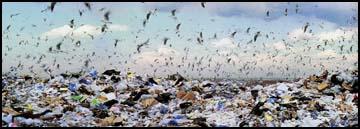
Every year, cities generate billions of tonnes of waste, much of which is buried, burned, or leaks into the environment. Yet almost every waste stream contains materials, nutrients, and energy that retain value. Net Zero Waste challenges the traditional view of waste as an inevitable by-product of modern life and instead treats it as a design failure. By redesigning products, production systems, and consumption patterns, cities can transform waste into resources while reducing pollution, greenhouse gas emissions, and resource extraction.
Waste management has traditionally focused on collection, transportation, and disposal, often leading to environmental degradation. However, a paradigm shift is needed - one that reimagines waste not as a burden but as a resource.
The concept of Net Zero Waste embodies this shift by promoting waste minimization, circular economy principles, and the 3Rs - Reduce, Reuse, and Recycle - to ensure that no waste ends up in landfills or incinerators. Understanding Net Zero Waste
Net Zero Waste is a closed-loop system where waste generation is minimized, and any unavoidable waste is either repurposed, recycled, or converted into useful resources. The goal is to reduce waste output to near-zero levels by:
- Reducing material use in production and consumption.
- Reusing materials and products to extend their lifecycle.
- Recycling waste into raw materials for new production.
It aligns with resource efficiency, ensuring that every product, material, and byproduct is maximally utilized, thereby lowering environmental footprints.
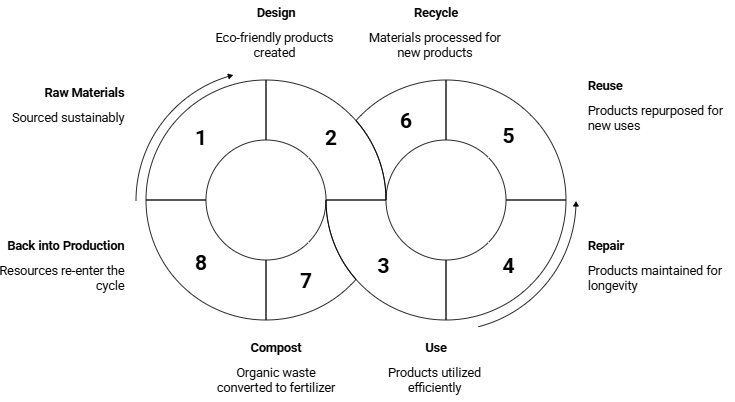
Figure 1: Circularity and Net-Zero Waste
Key Principles of Net Zero Waste
- Waste Prevention and Reduction
- Designing products for longevity, repairability, and recyclability.
- Implementing waste audits in industries, businesses, and municipalities.
- Encouraging sustainable consumer behavior through awareness campaigns.
- Circular Economy and Resource Recovery
- Establishing systems where waste from one sector becomes an input for another (industrial symbiosis).
- Promoting biodegradable materials and composting organic waste.
- Investing in recycling infrastructure to maximize material recovery.
- Extended Producer Responsibility (EPR)
- Holding manufacturers accountable for post-consumer waste.
- Encouraging eco-friendly packaging and take-back programs.
- Technological Innovations in Waste Management
- Advancing waste-to-energy solutions (biogas, biofuels).
- AI-driven waste sorting and tracking for efficient recycling.
- Recover Technical Materials
- Recover valuable technical materials such as metals, glass, plastics, paper, textiles, and construction materials for reuse and recycling.
- Design products and packaging to facilitate easy disassembly, repair, and material recovery at the end of their useful life.
- Maintain materials within the circular economy for as long as possible, reducing dependence on virgin resources and minimising environmental impacts.
- Producer Responsibility
- Encourage producers to take responsibility for the full life cycle of their products, from design and manufacture to collection and end-of-life management.
- Promote Extended Producer Responsibility (EPR) schemes that support product take-back, recycling, refurbishment, and safe disposal.
- Incentivise the development of durable, repairable, reusable, and recyclable products that minimise waste generation.
- Behavioural Change and Citizen Participation
- Foster responsible consumption habits that prioritise waste prevention, reuse, repair, and recycling.
- Encourage households, businesses, schools, and communities to actively participate in source separation and local waste reduction initiatives.
- Support long-term behavioural change through education, public awareness campaigns, and community engagement programmes.
Net-Zero in the FEWW Nexus
The Food, Energy, Water, and Waste (FEWW) Nexus recognises that these four resource systems are closely interconnected and should be managed as an integrated whole rather than as separate sectors. Decisions made in one area inevitably affect the others. For example, food production requires water and energy, wastewater treatment consumes energy while producing reusable water, and organic waste can be converted into compost or renewable energy. Understanding these interdependencies enables governments, businesses, and communities to develop solutions that maximise resource efficiency while minimising environmental impacts.Within this framework, waste is not viewed as the end of a resource's life, but as the beginning of a new resource cycle. Materials traditionally discarded as waste often retain significant value and can become inputs for other systems. Food waste can be transformed into compost that enriches agricultural soils or into biogas that generates renewable energy. Treated wastewater can supplement freshwater supplies for agriculture, industry, or urban landscaping. Construction and demolition waste can be recycled into new building materials, while plastics, metals, glass, and paper can be recovered as valuable industrial feedstocks.
Net Zero Waste therefore serves as an enabling strategy for the entire FEWW Nexus. By reducing waste generation, promoting reuse and recycling, and recovering resources that would otherwise be lost, Net Zero Waste strengthens food security, improves water conservation, supports renewable energy production, and reduces the demand for virgin materials. This systems-based approach also lowers greenhouse gas emissions, conserves natural ecosystems, and contributes to the development of resilient, circular economies.
Rather than treating waste management as an isolated municipal service, the FEWW Nexus positions it as a critical component of sustainable resource management. Every resource recovered from the waste stream reduces pressure on food production systems, freshwater resources, energy infrastructure, and natural ecosystems. In this way, Net Zero Waste becomes not only a waste management objective but also a key pathway towards sustainable urban development and resource resilience.
| FEWW Component | Contribution of Net Zero Waste |
|---|---|
| Food | Compost returns nutrients to soils, while reducing food loss and supporting sustainable agriculture. |
| Energy | Organic waste produces biogas and biomass energy, while recycling saves the energy required to manufacture products from virgin materials. |
| Water | Treated wastewater can be safely reused, while reducing solid waste and pollution helps protect rivers, lakes, and groundwater. |
| Waste | Prevention, reuse, repair, recycling, and resource recovery keep materials circulating within the economy instead of being landfilled or incinerated. |
The Role of Cities in Achieving Net Zero Waste
Urban areas are at the forefront of waste generation. Cities must adopt integrated waste management systems that prioritize waste minimization, separate collection of recyclables, and incentives for businesses and households to reduce waste.
Case Studies: Cities Implementing Net Zero Waste Policies
 Kamikatsu, Japan - Zero Waste Town Kamikatsu, Japan - Zero Waste TownKamikatsu, a small town in Japan, has become a global leader in waste minimization. Since the early 2000s, the town has implemented a comprehensive waste separation system, requiring residents to sort their waste into 45 different categories for reuse and recycling. Kamikatsu has set a target of achieving 100% waste recycling and zero landfill waste by 2030, with over 80% of its waste already being recycled, composted, or reused. The town also promotes a circular economy by encouraging local businesses to repurpose discarded materials into new products, such as upcycled furniture and clothing. |  South Korea - Volume-Based Waste Fee System South Korea - Volume-Based Waste Fee SystemSouth Korea has implemented a Volume-Based Waste Fee (VBWF) system, which charges residents based on the amount of waste they generate. This has drastically reduced household waste and increased recycling rates. The government also enforces strict food waste recycling regulations, requiring food establishments and households to separate organic waste for composting and biogas production. As a result, Seoul has achieved a food waste recycling rate of over 95%. The system has been widely credited for reducing landfill waste and promoting a culture of responsible waste disposal. |
 Penang, Malaysia - Waste Segregation and Community Engagement Penang, Malaysia - Waste Segregation and Community EngagementPenang has made significant progress toward waste minimization through community-led recycling initiatives. The state introduced a mandatory waste segregation policy in 2016, requiring households to separate recyclables from general waste. Additionally, local non-governmental organizations (NGOs) and businesses have partnered to promote upcycling, composting, and repair culture. As a result, Penang has one of the highest recycling rates in Malaysia, with continued efforts to reduce landfill dependency. |
 Singapore - Zero Waste Masterplan Singapore - Zero Waste MasterplanSingapore's Zero Waste Masterplan aims to reduce waste sent to landfills by 30% by 2030. The government has invested in waste-to-energy (WTE) plants, advanced recycling facilities, and food waste reduction programs. Singapore's National Environment Agency also runs extensive public awareness campaigns to encourage sustainable consumption and waste separation. The country has successfully integrated waste-to-energy technologies, such as the Tuas Nexus facility, which converts waste into electricity while recovering materials for recycling. |
 Metro Manila, Philippines - EcoWaste Coalition and Plastic Waste Reduction Metro Manila, Philippines - EcoWaste Coalition and Plastic Waste ReductionIn the Philippines, Metro Manila has been implementing zero-waste initiatives through local government units and civil society organizations. The EcoWaste Coalition advocates for waste segregation, plastic waste reduction, and extended producer responsibility (EPR) for packaging waste. Additionally, several cities in the Philippines have banned single-use plastics and encouraged the use of eco-bricks (plastic waste converted into construction materials) to reduce plastic pollution and landfill dependency. |
Challenges and Policy Recommendations
Despite the potential of Net Zero Waste, several challenges hinder its widespread adoption. One of the primary obstacles is the lack of infrastructure for effective waste segregation and recycling. Many cities, particularly in developing countries, still rely on outdated waste management systems that prioritize collection and disposal rather than resource recovery.Without proper facilities for material sorting, composting, and recycling, even well-intentioned waste reduction efforts can fall short. Additionally, inconsistencies in waste management regulations across regions create further barriers to establishing a standardized approach to waste minimization.
Another significant challenge is consumer resistance to behavioral changes. Many individuals and businesses are accustomed to a linear consumption model, where products are used and discarded without much thought given to their end-of-life impact. Encouraging households and industries to adopt sustainable waste practices, such as proper segregation, reuse, and composting, requires sustained awareness campaigns and incentives.
| Indicator | Example Target |
|---|---|
| Municipal waste generation | Less than 300 kg per person per year |
| Waste diversion rate | More than 90% of waste diverted from landfill and incineration |
| Recycling rate | More than 70% of recyclable materials recovered |
| Organic waste recovery | More than 90% composted or converted to biogas |
| Construction and demolition waste recovery | More than 90% reused or recycled |
| Landfill disposal | Less than 5% of total municipal waste |
| Producer take-back coverage | 100% of priority product categories covered by Extended Producer Responsibility programmes |
| Household source separation | More than 95% participation by households and businesses |
| Food waste reduction | 50% reduction in edible food waste compared with the baseline year |
| Greenhouse gas emissions from waste | Net zero emissions from the municipal waste sector |
However, changing deep-rooted habits takes time, and without clear incentives or penalties, many consumers and businesses may not see an immediate benefit in shifting towards zero-waste lifestyles.
To address these challenges, policymakers must develop comprehensive strategies that encourage and enforce waste minimization practices. Governments can provide financial incentives, such as tax breaks or subsidies, to businesses that adopt circular economy principles and zero-waste strategies. Public participation can be strengthened through education programs that emphasize the long-term economic and environmental benefits of waste reduction.
Stricter regulations on waste disposal, along with mandatory recycling programs and Extended Producer Responsibility (EPR) policies, can help ensure that manufacturers and consumers alike take responsibility for waste management. By fostering collaboration among governments, businesses, and civil society, cities can create the conditions necessary for a successful transition toward Net Zero Waste.
Beyond Waste Management
Net Zero Waste extends well beyond the management of solid waste. It contributes to social inclusion, technological innovation, climate action, and sustainable development. The following considerations demonstrate how Net Zero Waste supports broader environmental, economic, and societal goals.Integrating the Informal Sector
In many developing countries, the informal sector plays a vital role in waste collection, sorting, recycling, and material recovery. Informal waste pickers recover significant quantities of recyclable materials that would otherwise be disposed of in landfills or open dumps, making an important contribution to resource conservation and reducing the environmental impacts of waste.
Net Zero Waste strategies should recognise and strengthen the role of the informal sector through inclusive policies, improved working conditions, access to protective equipment, fair compensation, and opportunities for training and formal integration into municipal waste management systems. Supporting these workers not only improves recycling rates but also contributes to poverty reduction, social inclusion, and local economic development.
Leveraging Digital Technologies
Digital technologies are transforming the way waste is generated, collected, monitored, and recovered. Smart bins equipped with sensors can optimise collection schedules, Geographic Information Systems (GIS) can improve collection routes, and data analytics can help municipalities better understand waste generation patterns and identify opportunities for waste reduction.
Emerging technologies such as artificial intelligence, robotics, the Internet of Things (IoT), blockchain, and Digital Product Passports are further improving resource recovery and material traceability throughout product life cycles. By providing accurate, real-time information, digital technologies enable more efficient decision making, reduce operational costs, and support the transition towards a circular economy.
Addressing Climate Change
Waste management and climate change are closely interconnected. Organic waste disposed of in landfills generates methane, a greenhouse gas with a much higher global warming potential than carbon dioxide. At the same time, extracting, manufacturing, transporting, and disposing of products consume large amounts of energy and generate significant greenhouse gas emissions.
Net Zero Waste contributes to climate change mitigation by preventing waste generation, increasing reuse and recycling, recovering organic materials through composting and biogas production, and reducing the demand for virgin raw materials. These actions conserve energy, lower emissions across supply chains, and support national and local efforts to achieve climate neutrality and meet international climate commitments.
Supporting the Sustainable Development Goals
Net Zero Waste directly contributes to the achievement of the United Nations Sustainable Development Goals (SDGs) by promoting sustainable resource management, reducing pollution, and encouraging responsible production and consumption. While it is most closely associated with SDG 12 (Responsible Consumption and Production), its benefits extend across many other goals.
By improving public health, reducing greenhouse gas emissions, conserving water and natural resources, creating green jobs, and strengthening urban resilience, Net Zero Waste also supports SDG 11 (Sustainable Cities and Communities), SDG 13 (Climate Action), SDG 6 (Clean Water and Sanitation), SDG 8 (Decent Work and Economic Growth), and SDG 15 (Life on Land). As such, Net Zero Waste serves as an integrated strategy that advances multiple dimensions of sustainable development simultaneously.
An Eye on the Future
Net Zero Waste is not just an environmental goal but a necessity for sustainable urban development. As cities continue to grow, so does the urgency to rethink how waste is managed. The transition from a linear "take-make-dispose" model to a circular economy approach requires a shift in mindset at all levels - from policymakers and businesses to households and communities.
By integrating waste minimization strategies with resource efficiency, cities can reduce environmental degradation, conserve natural resources, and lower greenhouse gas emissions associated with waste disposal. Achieving Net Zero Waste means not only diverting waste from landfills but also ensuring that every material is either repurposed, recycled, or reintegrated into the production cycle, creating a regenerative system where waste is seen as a resource rather than a burden.
Governments, businesses, and individuals must collaborate to make Net Zero Waste a reality. Stronger policies, technological innovations, and public engagement efforts will be essential in driving the shift toward waste minimization and resource recovery. Investing in robust recycling infrastructure, promoting sustainable consumption habits, and enforcing Extended Producer Responsibility (EPR) will ensure that waste is managed efficiently at every stage of its lifecycle.
Cities must alos learn from global best practices and tailor them to their local contexts to create effective, long-lasting solutions. With a collective commitment to reducing waste generation and maximizing resource efficiency, the vision of a Net Zero Waste future can be transformed from an aspiration into an achievable goal, shaping more sustainable and resilient urban environments for future generations.
Net Zero Waste is ultimately about redesigning the relationship between cities and resources. In nature, nothing is wasted; every output becomes an input for another process. Cities that embrace this principle can move beyond waste management toward resource stewardship, creating cleaner neighbourhoods, stronger local economies, lower carbon emissions, and more resilient communities. Net Zero Waste is therefore not simply a waste strategy but a cornerstone of sustainable urban development.
ANNEX: Global Case Studies
 San Francisco, USA: High Waste Diversion
San Francisco has become a global leader in waste diversion through its ambitious Zero Waste programme, consistently diverting more than 80% of municipal waste from landfill. The city has achieved this through mandatory source separation, comprehensive recycling and composting programmes, producer responsibility initiatives, and strong public participation. Its experience demonstrates that high diversion rates can be achieved through a combination of effective policies, infrastructure, and citizen engagement. |
 Ljubljana, Slovenia: Europe's Zero Waste Capital
Ljubljana became the first European capital to adopt a Zero Waste strategy, achieving one of the continent's highest recycling rates while significantly reducing residual waste. The city has invested in separate waste collection, reuse centres, public education, and modern resource recovery facilities. Its success illustrates how integrated planning and community participation can transform urban waste management while reducing dependence on landfills and incineration. |
|
Kitakyushu, Japan: Industrial Symbiosis
Kitakyushu has transformed itself from one of Japan's most polluted industrial cities into an international model of resource efficiency and circular economy practices. Through its Eco-Town Programme, industries collaborate by using the waste or by-products of one enterprise as raw materials for another, reducing waste generation and conserving resources. The city's experience demonstrates the value of industrial symbiosis in creating both environmental and economic benefits. |
 Curitiba, Brazil: Community Recycling
Curitiba has pioneered community-based recycling programmes that combine environmental management with social inclusion. Its well-known "Green Exchange" initiative allows residents in underserved communities to exchange recyclable materials for food, public transport tickets, or other essential goods. This innovative approach has increased recycling rates, improved public health, and demonstrated how waste management can simultaneously address environmental and social challenges. |
 Milan, Italy: Food Waste Collection
Milan operates one of Europe's most successful citywide food waste collection programmes, serving both households and businesses. Source-separated organic waste is collected and converted into compost and biogas, reducing landfill disposal and greenhouse gas emissions while returning valuable nutrients and renewable energy to the local economy. The programme demonstrates the important role of organic waste management within a Net Zero Waste strategy. |
 Flanders, Belgium: Circular Materials Programme
The Flanders region has adopted a comprehensive circular materials policy that prioritises waste prevention, product reuse, repair, recycling, and sustainable material management across the economy. Through strong collaboration between government, industry, research institutions, and civil society, Flanders has developed innovative approaches to extending product life cycles and reducing dependence on virgin resources. Its programme illustrates how regional policies can support the transition from waste management to a fully circular economy. |
|
CITATION TEXT:
|

 |
Return to Urban Waste Contact: Hari Srinivas - [email protected] |